Song Meaning
The lyrics immediately plunge into a scene of lingering pain, with the narrator suffering the "mismo accidente"—a recurring memory that clearly causes distress. There's an intense longing to have been an unnoticed part of someone's departure, wishing to be packed away "como una revista más de decoración" just to follow them. This sets a tone of profound regret and a desperate desire for proximity.
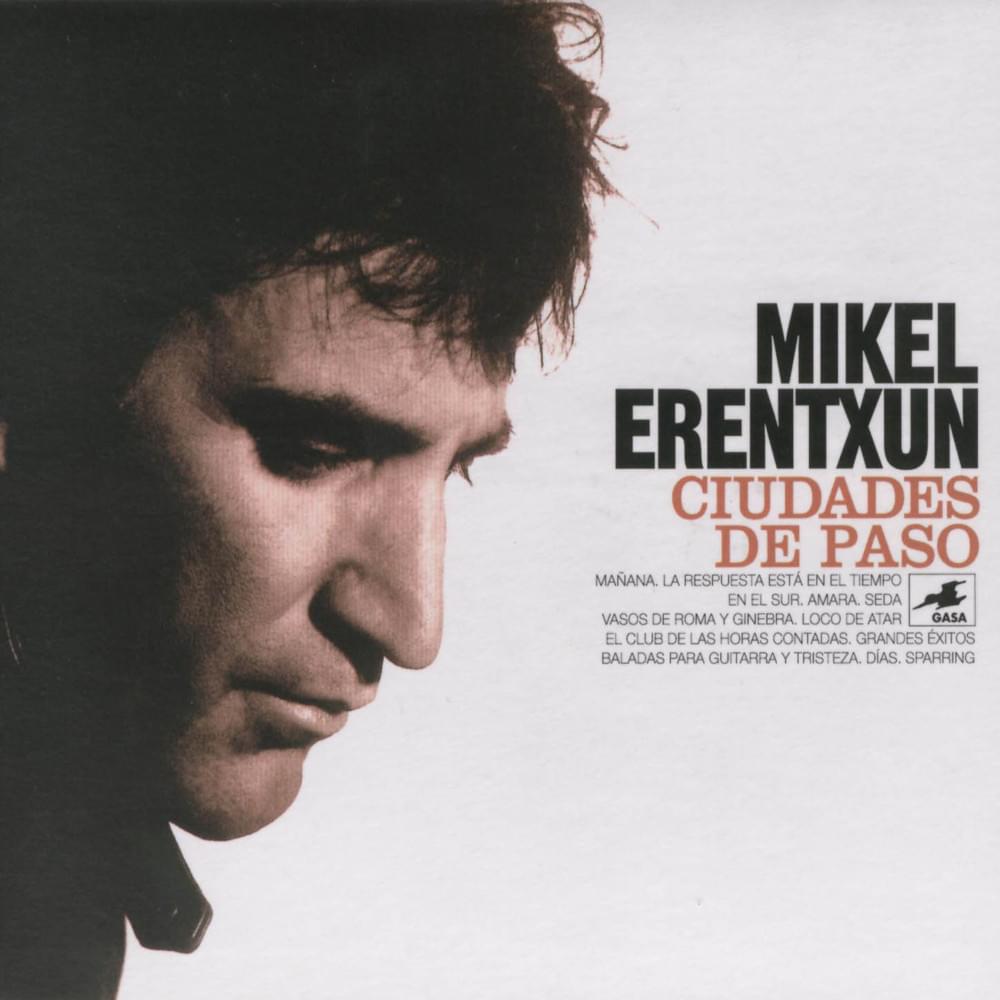
The central tension lies in this yearning against the stark reality of absence. "Baladas para guitarra y tristeza" have taken the other person's place, suggesting that music and melancholy are now the only companions. The narrator is stuck in a loop, watching planes take off and land, a constant reminder of movement and departures, but always "sin ti"—without the one they wait for.
The craft here is particularly effective in its blend of the mundane and the deeply poetic. The wish to be a mere "revista más de decoración" in cardboard boxes speaks to a humble, almost self-effacing desire to simply exist in the other's orbit. Later, the line "Cada vez que el cielo respira / Vuelvo a ser agua en tu vida" offers a striking metaphor, suggesting that with every moment, the narrator's essence returns to permeate the other's existence, perhaps in memory or spirit, despite physical separation.
These lyrics hit hard because they articulate a very specific kind of heartbreak: the quiet, persistent ache of being left behind while the world, and perhaps the other person, moves on. The repetition of "Y viajar a donde tu viajes / Y llegar a donde tu llegues" underscores an almost obsessive devotion, making the narrator's static state of waiting feel all the more poignant and emotionally resonant.
 View Artist