Song Meaning
The lyrics paint a stark picture of someone refusing to acknowledge their own decline. The opening questions, "Who's gonna tell you when it's too late?" and "Who's gonna tell you things aren't so great?" immediately establish a sense of impending doom and willful ignorance. The narrator seems to be observing this person's self-deception, highlighting the gap between their internal state and outward appearance. This sets up a narrative of someone teetering on the edge, unable to see their own struggles.
The central tension lies in the repeated assertion, "You can't go on thinking nothing's wrong." This isn't just a gentle suggestion; it's a direct confrontation with denial. The chorus then pivots to the urgent, almost desperate question: "Who's gonna drive you home tonight?" This question functions as a metaphor for support, guidance, and rescue. It implies the subject is lost, impaired, or incapable of navigating their own way, and the narrator is questioning who will provide that essential lifeline.
The power of the lyrics comes from the relentless barrage of questions in the second verse and bridge. Each question drills down into a specific failure of support: "pick you up when you fall," "hang it up when you call," "pay attention to your dreams," "hold you down when you shake," "come around when you break." These aren't abstract problems; they are concrete instances of needing help. The repetition of "Who's gonna" amplifies the feeling of abandonment and the growing realization that the person is utterly alone in their struggle, despite their apparent refusal to admit it.
Ultimately, the effectiveness of these lyrics stems from their directness and the escalating sense of crisis. The simple, repeated question of who will provide a ride home becomes a powerful symbol for the broader need for assistance. The lyrics don't offer solutions, but rather force a confrontation with the reality of a person's inability to cope, leaving the listener with a chilling sense of vulnerability and the stark consequences of unchecked denial.
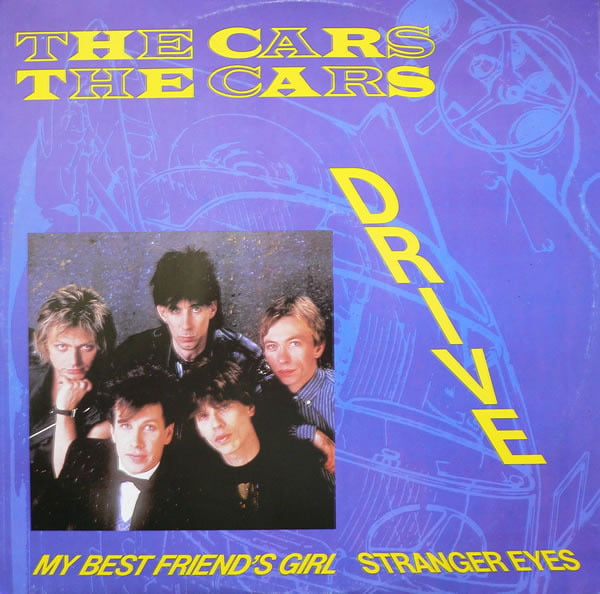
 View Artist