Song Meaning
The lyrics paint a stark picture of isolation and longing, set against a backdrop of external warnings and a heavy, snow-laden atmosphere. The opening lines, "Stay in your houses / Was the word on the street," establish a sense of caution or confinement, yet this is immediately contrasted with an internal pull, a "bright of the darkness" that draws the narrator towards a significant location: "the bridge where we stood." This bridge, a place that "held us so long," becomes a focal point of memory and desire, a symbol of a past connection that continues to exert a powerful influence despite the present circumstances.
The core tension arises from the narrator's struggle with time and memory. The passage of years feels distorted, with the narrator noting, "For the years aren't true tellers / Of the time, as we know." This temporal confusion is amplified by the presence of an "anchor behind us / Confusing my feet," suggesting that the past, personified as years that have "grown sullen, / Refusing to speak," is a heavy, obstructive force. It’s a past that won’t offer clarity or release, making forward movement difficult and disorienting.
The most compelling aspect of the writing is how it uses the recurring image of the bridge to represent both a physical place and a state of being, a connection that now exists primarily in the realm of dreams. The repetition of "The bridge covered over / Where we two remain / Only in dream" underscores the profound sense of loss and the narrator's retreat into an idealized, internal world. This dream state is the "only / Great solace ahead," a stark admission of how the present reality lacks the warmth and presence of the past, leaving the narrator yearning for a connection that can only be accessed in sleep.
Ultimately, the effectiveness of these lyrics lies in their melancholic portrayal of enduring connection fractured by time and circumstance. The contrast between the external world's warnings and the internal magnetic pull towards a shared past, coupled with the disorienting nature of memory, creates a palpable sense of yearning. The bridge, once a place of stability, becomes a poignant symbol of what has been lost, a sanctuary found only in the ephemeral space of dreams, highlighting the deep emotional weight of absence.
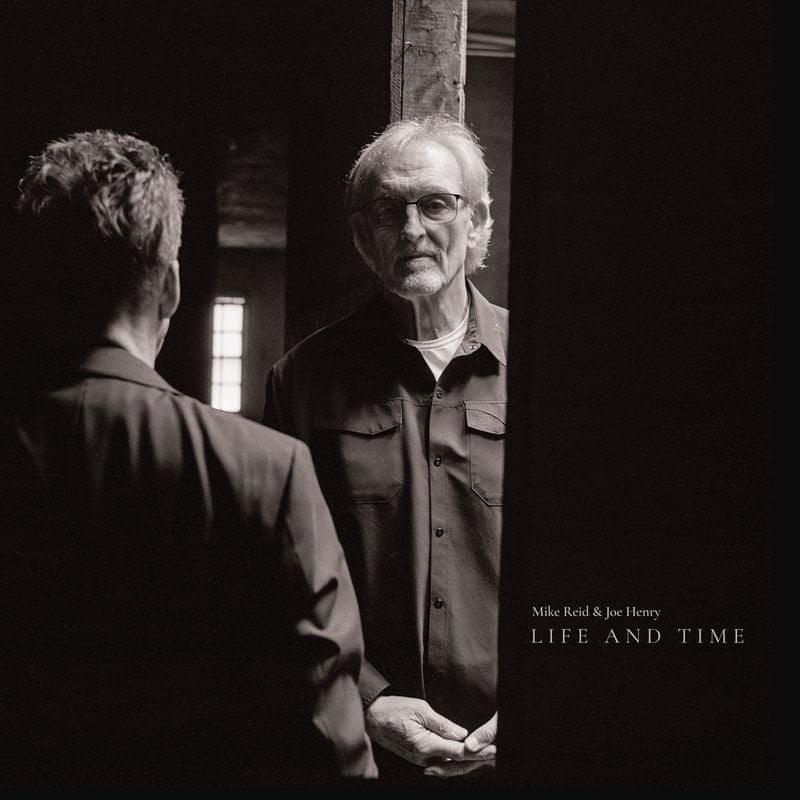
 View Artist