Song Meaning
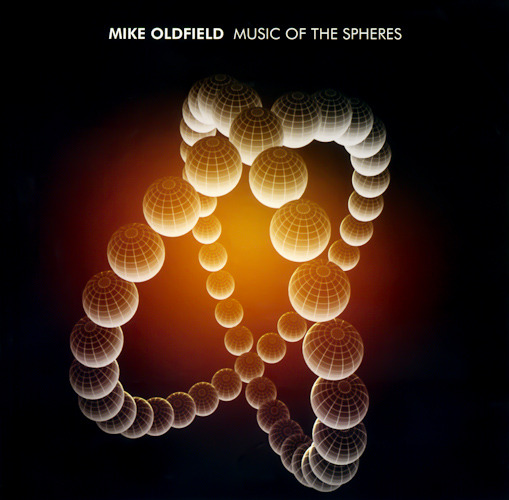
Mike Oldfield's "Shabda" isn't a conventional pop song, but a sonic exploration that plunges into the primordial soup of existence. The lyrics, sung in Latin, evoke a sense of ancient creation myths. The repetition of "Terra autem erat inanis / Super faciem abyssi" (The earth was without form, and void / Upon the face of the deep) immediately positions the listener within a landscape of nothingness, a pre-creation void teeming with potential. It's a musical genesis, a sonic rendering of the moment before light, before order. Oldfield isn't just singing about creation; he's sonically recreating it. The use of Latin adds a layer of timelessness and gravitas, connecting the song to centuries of religious and philosophical contemplation on the origins of the universe. The phrase "Lux æterna dona nobis" (Grant us eternal light) punctuates the darkness, a plea for illumination, for understanding, for meaning to emerge from the abyss. This isn't just about the physical creation of the world, but the spiritual and intellectual yearning for enlightenment.
The beauty of "Shabda," and the key to unlocking its song meaning, lies in its cyclical structure. The repeated verses create a meditative, almost hypnotic effect. It's not a linear narrative, but a circular exploration of the void and the light that seeks to penetrate it. Oldfield seems less concerned with telling a story and more interested in evoking a feeling, a sense of awe and wonder at the mystery of existence. The absence of traditional song structure allows the listener to project their own interpretations onto the music, to find their own personal resonance within the sonic landscape. The listener is invited to contemplate their own origins, their own place within the vast expanse of the cosmos.
Ultimately, the lyrics analysis of "Shabda" reveals a profound meditation on creation, darkness, and the yearning for light. It's a sonic tapestry woven from ancient words and evocative melodies, inviting the listener to explore the depths of their own consciousness. The song's power resides not in its literal meaning, but in its ability to evoke a sense of wonder and contemplation. It's a reminder that even in the face of the void, there is always the potential for light, for meaning, for creation.
 View Artist