Song Meaning
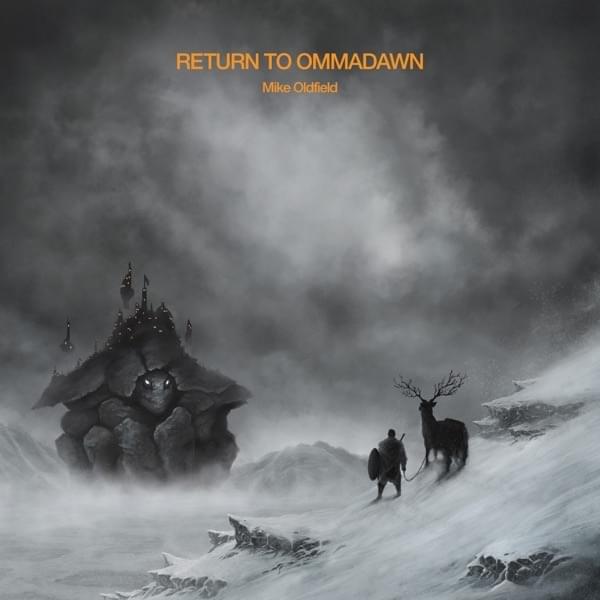
Mike Oldfield's "Return to Ommadawn, Pt. II" isn't so much a song as it is a sonic pilgrimage. A sprawling instrumental piece, it invites us into a world of layered textures and evolving moods, less concerned with traditional song structure and more focused on evoking a state of contemplative journey. The absence of explicit lyrical content forces the listener inward, turning the music into a Rorschach test for the soul. It’s a canvas upon which we project our own experiences, anxieties, and hopes. The repeated, almost hypnotic musical phrases act as mantras, guiding us through the labyrinth of our own minds.
The title itself, "Return to Ommadawn," suggests a cyclical process, a revisiting of a place both physical and psychological. Ommadawn, a concept Oldfield explored previously, likely represents a space of peace, reflection, or perhaps even a return to innocence. This second part implies a continuation of that journey, a deeper exploration of the themes and emotions first introduced. The music swells and recedes, mimicking the ebb and flow of memory and emotion. It’s not a passive listening experience; it demands active engagement, a willingness to surrender to its meandering path.
The brief "On Horseback (Reprise)" that concludes the track provides a grounding counterpoint to the vast instrumental expanse. The simple, almost childlike lyrics – "On horseback, I'd rather be here / Hey and away we go" – offer a sense of joyful liberation. After the intense introspection of "Return to Ommadawn, Pt. II," this reprise acts as a release, a celebration of being present in the moment. The repetition of "Hey and away we go" suggests a carefree spirit, a willingness to embrace the unknown and continue the journey with renewed optimism. It's a reminder that even after navigating complex emotional landscapes, there is always the possibility of finding joy in the simple act of moving forward.
 View Artist