Song Meaning
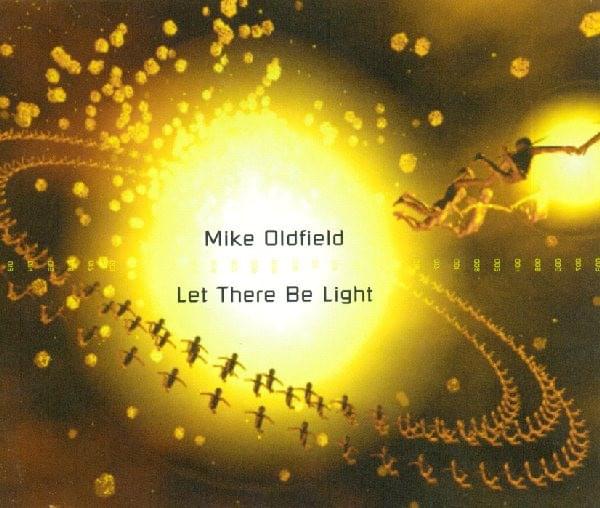
Mike Oldfield's "Let There Be Light" isn't just a song; it's an invocation. Built upon a foundation of elemental verbs—burning, melting, dissolving—the track immediately evokes transformation, a descent into a crucible where the self, or perhaps the world itself, is broken down to its constituent parts. This isn't necessarily destructive; rather, it's alchemical, a necessary stage for rebirth. The repetition emphasizes the totality of this process, a complete surrender to change.
The brief interlude of "Animus. Fultus. Salus" adds a layer of complexity. These Latin words, roughly translating to "mind/spirit," "support/prop," and "health/well-being," suggest a framework for this transformative experience. They're almost a mantra, a reminder that even in the midst of dissolution, there are anchors to cling to: the spirit, the foundation, and the hope of eventual restoration. This juxtaposition creates a tension—the pull of annihilation against the will to survive and thrive.
And then, the undeniable declaration: "...and God said, Let there be Light." It's a pronouncement of creation, a moment of genesis born from the preceding chaos. The phrase is simple, yet loaded with millennia of religious and philosophical weight. Within the context of Oldfield's sonic landscape, it signifies not just a literal creation of light, but also the emergence of understanding, hope, and a renewed sense of purpose after a period of intense personal or collective upheaval. The song meaning ultimately rests on this idea of cyclical destruction and creation, a reminder that even in the darkest of times, the potential for light—for new beginnings—always exists.
 View Artist