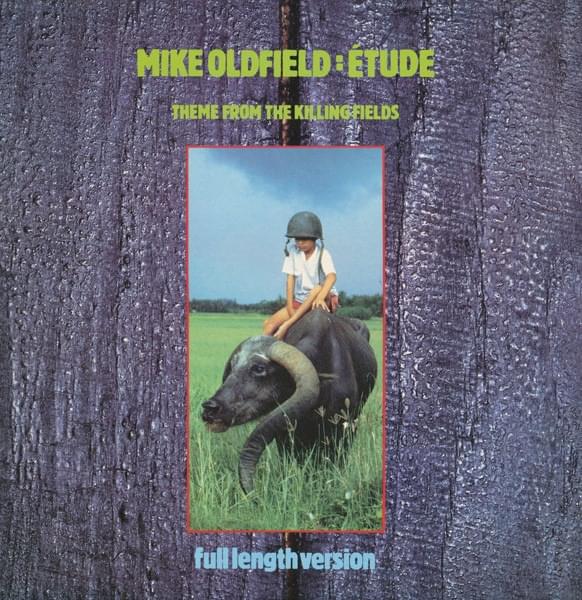
Song Meaning
The piece opens with a stark, unaccompanied piano, immediately establishing a mood of introspection and perhaps melancholy. The absence of vocals or any other instrumentation forces the listener to focus solely on the piano's melodic and harmonic landscape. This instrumental-only approach suggests a narrative conveyed purely through musical expression, relying on dynamics, tempo, and melodic contour to communicate emotion.
The structure of an "etude" itself implies a focus on technical study, yet the emotional weight carried by the piano suggests it transcends mere practice. It feels like a personal reflection, a moment of solitary contemplation where the performer is working through something complex, both musically and emotionally. The piece seems to be asking the listener to pay attention to the subtle shifts and nuances within the piano's voice.
The effectiveness of "Etude" lies in its unadorned presentation. By stripping away lyrical content, the composer invites a more personal and subjective interpretation. The piano becomes a direct conduit for feeling, its intricate passages and resonant chords painting a picture that words might struggle to capture. It’s a raw, unfiltered expression that demands active listening and emotional engagement from the audience.