Song Meaning
Mike Oldfield's "Chariots" isn't subtle; it’s a full-throated anthem of defiance, a sonic battle cry against perceived oppression. The lyrics drip with paranoia and righteous anger, painting a picture of a world where every move is scrutinized and shadows lurk. Lines like "There will be no mistake / 'Cause I watch every move you make" establish a tone of intense surveillance, suggesting a power struggle where trust has completely eroded. The "chariots" themselves become a potent symbol, not just of escape, but of collective liberation. They represent a promised deliverance, a means of transport away from tyranny and towards a vaguely defined "home." This yearning for freedom resonates deeply, tapping into a primal human desire to break free from constraints, whether they are physical, political, or emotional. It speaks to the listener's desire to overcome obstacles and find solace or belonging. The question, of course, is whether the promised escape is real or a self-deceptive fantasy.
The song's power lies in its ambiguity. While "Chariots" could be interpreted as a straightforward political statement, the intensely personal language hints at a deeper, perhaps more psychological conflict. The lines about suspicion and ruined roads suggest an internal battle against doubt and fear. Is the "tyranny" an external force, or a manifestation of the singer's own anxieties? This duality makes the song relatable on multiple levels. The call to "break out the army now" can be heard as a literal call to arms, but it can also represent the mobilization of inner resources – courage, resilience, and the will to fight for one's own mental and emotional well-being.
The recurring chorus, with its promise of "chariots to carry us all," acts as a mantra, a repeated affirmation of hope in the face of adversity. This repetition is crucial to the song's impact, reinforcing the idea that liberation is possible, even in the darkest of times. Ultimately, the song meaning of "Chariots" hinges on the listener's own interpretation of the "tyranny" being fought. Is it a societal ill, a personal demon, or some combination of both? Oldfield’s composition offers no easy answers, instead providing a powerful and evocative soundtrack for the individual's own struggle for freedom.
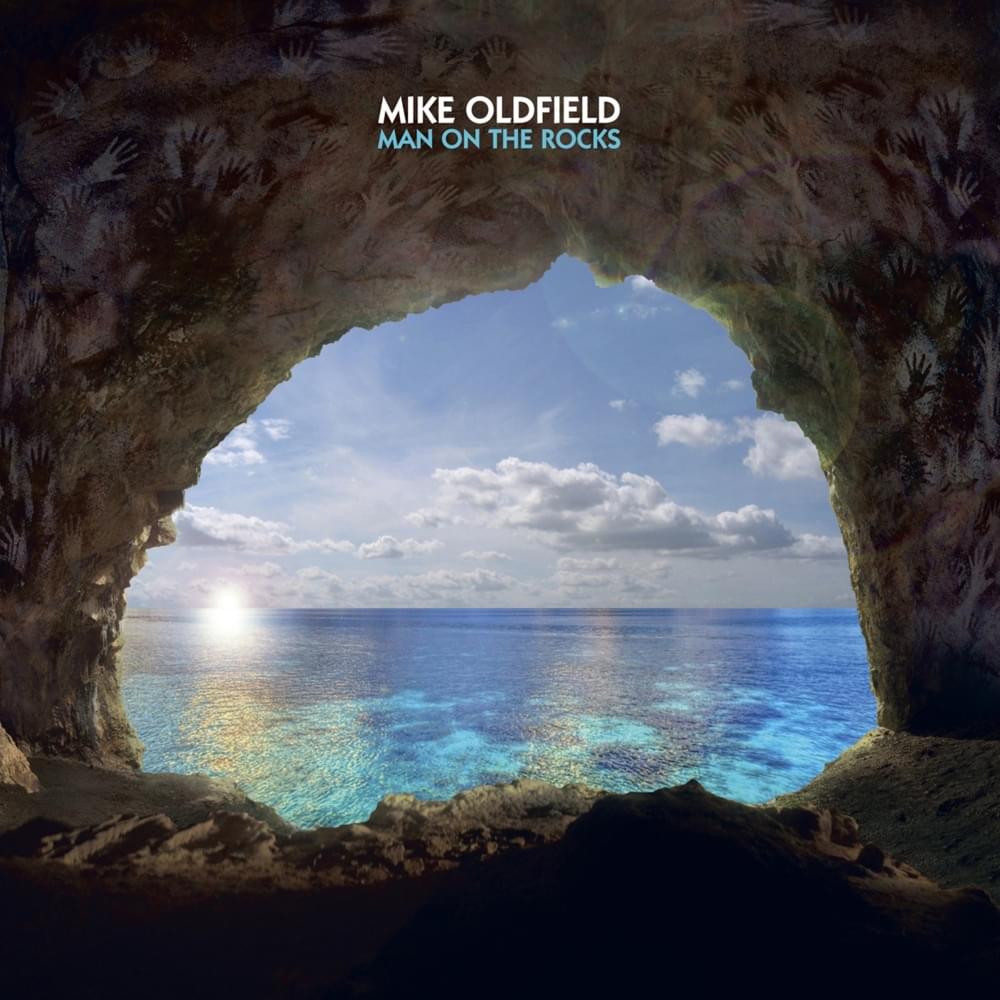
 View Artist