Song Meaning
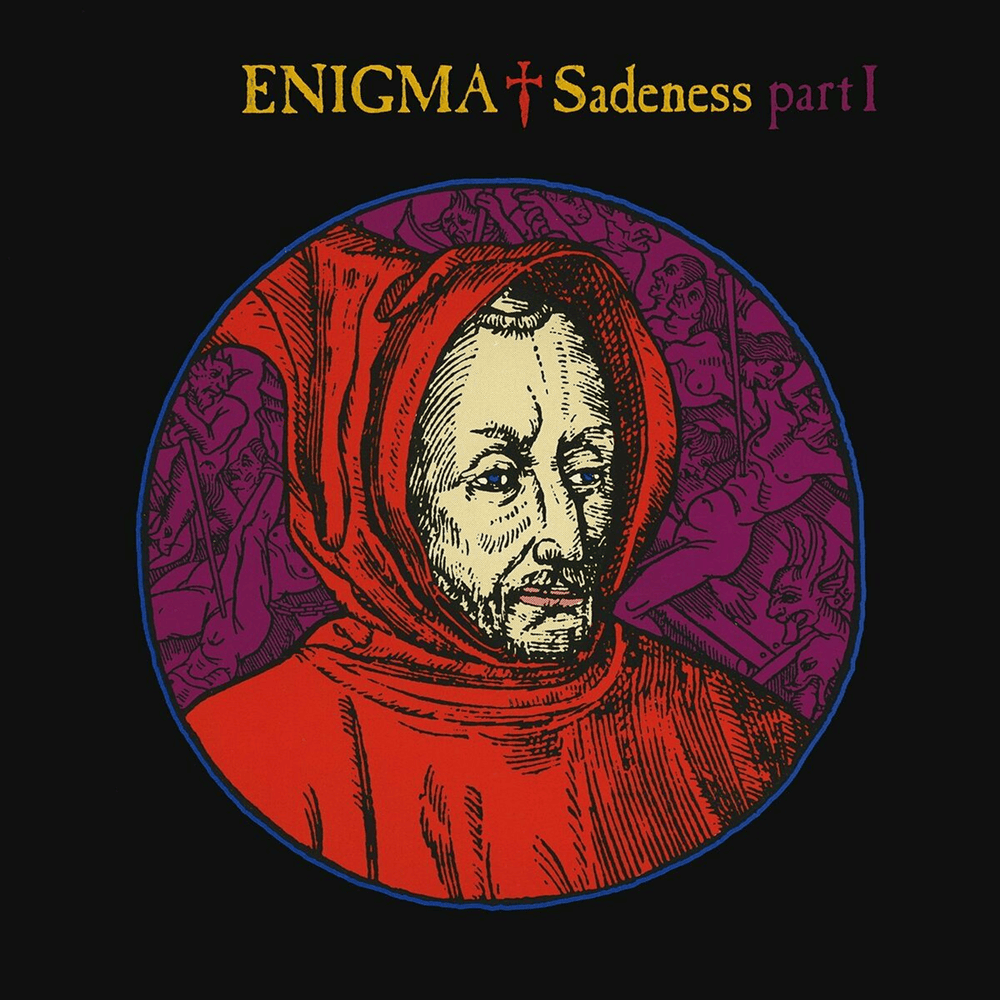
The track opens with a Latin chant, invoking peace and divine presence. "Procedamus in pace, In nomine Christi, amen" sets a solemn, almost liturgical tone. This is immediately juxtaposed with a plea directed at "Sade," creating a striking contrast between sacred ritual and a more earthly, perhaps forbidden, inquiry. The lyrics then shift to a powerful biblical passage, "Attollite portas, principes, vestras... Et introibit rex gloriae?" This grand pronouncement of a glorious king's arrival is interrupted by the question, "Quis est iste rex gloriae?" – who is this king of glory? This sets up a profound tension, questioning the nature of power and divinity.
The central conflict emerges as the narrator directly addresses "Sade," repeatedly asking "Sade, dis-moi" (Sade, tell me) and "Sade, donne-moi" (Sade, give me). The questions become increasingly pointed: "Le bien par le mal? La vertu par le vice?" (Good through evil? Virtue through vice?). This interrogative structure builds a sense of urgent, perhaps desperate, seeking. The lyrics probe the very foundations of morality and faith, asking about "l'évangile du mal" (the gospel of evil) and Sade's "religion." The ultimate question, "Sade, es-tu diabolique ou divin?" (Sade, are you diabolical or divine?), encapsulates the core dilemma.
The most compelling aspect is the fusion of the sacred and the profane, the ancient and the contemporary. The Latin chants and biblical verses evoke a sense of timeless spiritual authority, while the direct address to "Sade" – a clear reference to the Marquis de Sade and his philosophies on pleasure, pain, and transgression – introduces a radical, challenging perspective. This collision of worlds creates a disorienting yet captivating atmosphere, forcing the listener to confront uncomfortable questions about the origins of good and evil, and the nature of desire. The repeated "Hosanna" at the end, a cry of praise, becomes ambiguous, potentially directed at either divine grace or the transgressive figure of Sade.
 View Artist