Song Meaning
The lyrics paint a vivid, almost mythical picture of a spiritual past in England. They pose a series of rhetorical questions, wondering if divine presence, specifically the "holy Lamb of God," once graced the "mountains green" and "pleasant pastures." This sets up a powerful contrast between an idealized, sacred past and a present marred by "dark satanic mills." The narrator seems to be grappling with a sense of lost holiness and a corrupted landscape.
The central tension arises from this perceived spiritual decline. The "clouded hills" and "satanic mills" suggest a present reality that is oppressive and unholy, a stark departure from the potential divine visitation of ancient times. The lyrics imply a deep yearning to reclaim or re-establish that lost sacredness within the very land that now seems so tarnished.
The most striking element is the shift from questioning to a powerful, declarative call to action. The narrator demands instruments of spiritual warfare – a "bow of burning gold," "arrows of desire," a "spear," and a "chariot of fire." This imagery is not literal but suggests a fervent, internal struggle aimed at achieving a spiritual transformation.
This transformation is framed as a "mental fight" to "build Jerusalem" in the "green and pleasant land." The effectiveness lies in the potent juxtaposition of the pastoral ideal with industrial blight, and the narrator's resolute commitment to an internal, spiritual battle. It’s a call to envision and actively construct a sacred future out of a seemingly fallen present.
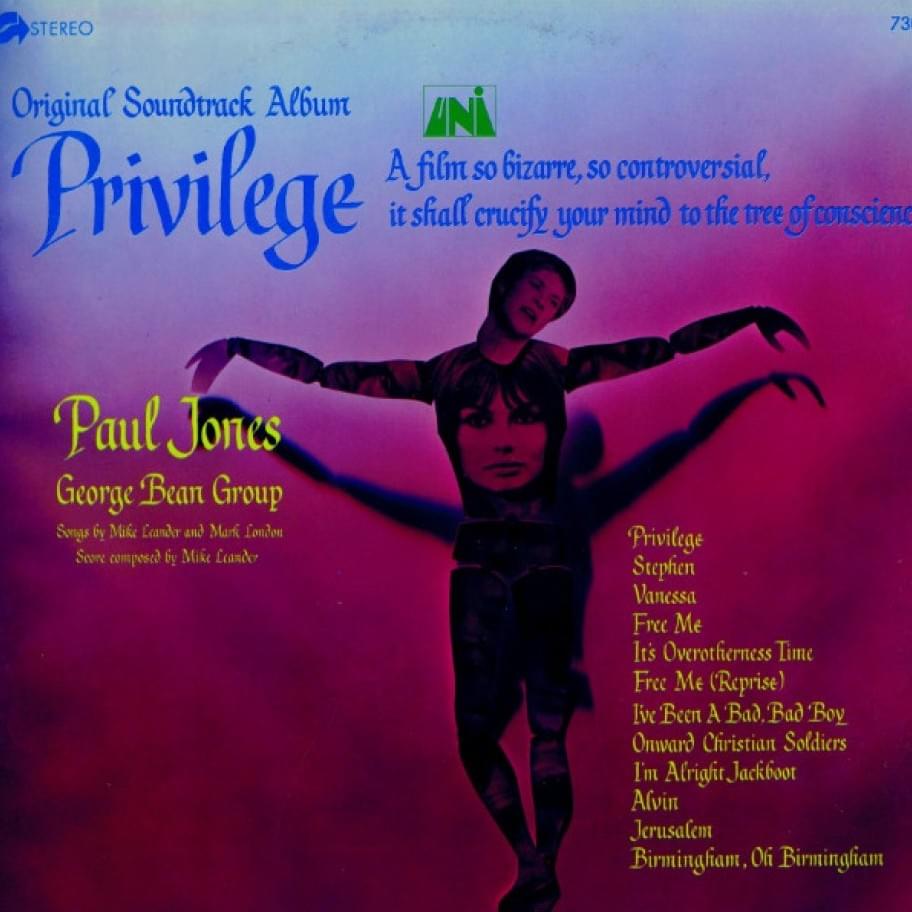
 View Artist