Song Meaning
Mike Doughty's "Weird Summer" isn't your postcard-perfect season of sun-drenched bliss. Instead, it's a dive into the unsettling, a celebration of the beautifully flawed. The song meaning hinges on a relationship defined by absence and a craving for something just out of reach. The object of the narrator's affection is a "shadow man," a "ghost," leaving behind only traces – "powder strewn on the floor." This isn't a love song; it's an addiction narrative, where the narrator acknowledges the toxicity but remains drawn to the "taste," willing to "lick the pan" for even the smallest remnant. Doughty masterfully paints a picture of someone caught in a loop, knowing the relationship is detrimental ("You get the boot") but unable to break free. The reference to "hot plate of baffled, side of unnerved" suggests a constant state of anxiety and confusion, emotions deliberately stoked within the dynamic.
The chorus, a repetitive mantra of "Weird summer's coming on," acts as both a warning and an invitation. It's a premonition of the chaos and discomfort to come, but also an embrace of the unconventional. The verses exploring "people delighted," "people provided," etc., present a cynical observation on society's various roles and their inherent limitations. Whether content, useful, complicit, or uneasy, each group is trapped in its respective condition. This segment serves as a backdrop to the personal turmoil, suggesting that individual struggles are mirrored on a larger societal scale. The call to "find some trouble" and "ride the rails" is not just youthful rebellion; it's a deliberate choice to confront the discomfort head-on, to seek experience outside the confines of a predictable, perhaps stifling, existence.
Ultimately, "Weird Summer" is about the allure of the imperfect and the seductive nature of regret. The seemingly contradictory line, "Nothing's sexier than regret," perfectly encapsulates the song's central theme. It's an acknowledgement that mistakes and painful experiences can be powerfully formative, even desirable. The "ginger ale" toast is a subtle touch, a bittersweet acknowledgement of the situation's inherent absurdity. It's not a celebratory drink, but a slightly off-kilter, perhaps ironic, gesture of acceptance. Doughty doesn't offer easy answers or resolutions. Instead, he leaves us with a haunting, hypnotic portrait of a relationship and a season defined by its strangeness, suggesting that sometimes, the most compelling experiences are the ones that leave us feeling a little…unnerved.
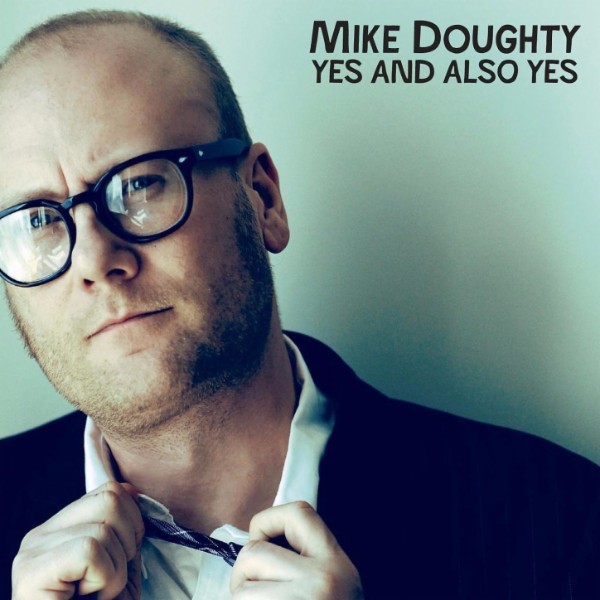
 View Artist