Song Meaning
Mike Bloomfield's rendition of "Mood Indigo" isn't just a song; it's a masterclass in blues affect. He doesn't just sing about sadness; he embodies it, channeling a specific, almost theatrical melancholy that feels both deeply personal and universally relatable. The lyrics paint a portrait of utter dejection, a state where even the simple act of existing feels like a burden. The repeated assertion, "You ain't never been blue," acts as a gatekeeper to true emotional experience, suggesting that only those who have plumbed the depths of "mood indigo" truly understand the human condition. It’s a dare, an invitation, and a lament all rolled into one. Bloomfield isn't merely sad; he's inducted into a secret society of sorrow.
The "mood indigo" itself becomes a character, an unwelcome guest that "goes stealin' down to my shoes," permeating every aspect of the singer's being. It's not just a feeling; it's a presence, an entity that dictates his actions and emotions. The image of sighing, "Go 'long blues," is less a dismissal and more a weary resignation, an acknowledgement of the blues' persistent and unwelcome company. This isn't a temporary sadness; it's a chronic condition, exacerbated by the loss of a lover. The line "Since my baby said goodbye" offers a glimpse into the origin of this indigo state, but the focus remains on the feeling itself, rather than the specific heartbreak that triggered it.
The raw simplicity of the lyrics, combined with Bloomfield's emotional delivery, creates a powerful sense of vulnerability. The declaration, "I'm so lonely I could cry," isn't a plea for sympathy but a stark observation of his internal state. The feeling that "nobody cares about me" amplifies the isolation, pushing the singer to the brink of despair. The ultimate expression of this despair is the line, "I could lay me down and die," a sentiment that encapsulates the overwhelming weight of the "mood indigo." It's a testament to the song's power that it can evoke such profound feelings of empathy and understanding, even in those who haven't personally experienced such depths of sorrow. Through Bloomfield's interpretation, "Mood Indigo" transcends the typical blues lament, becoming a profound exploration of the human capacity for sadness and resilience.
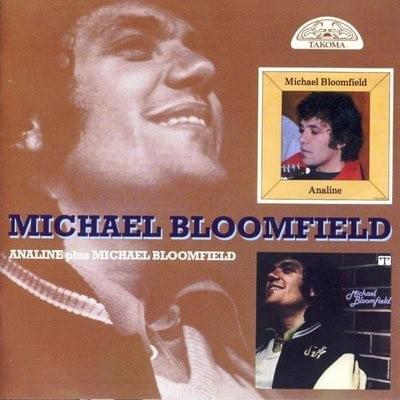
 View Artist