Song Meaning
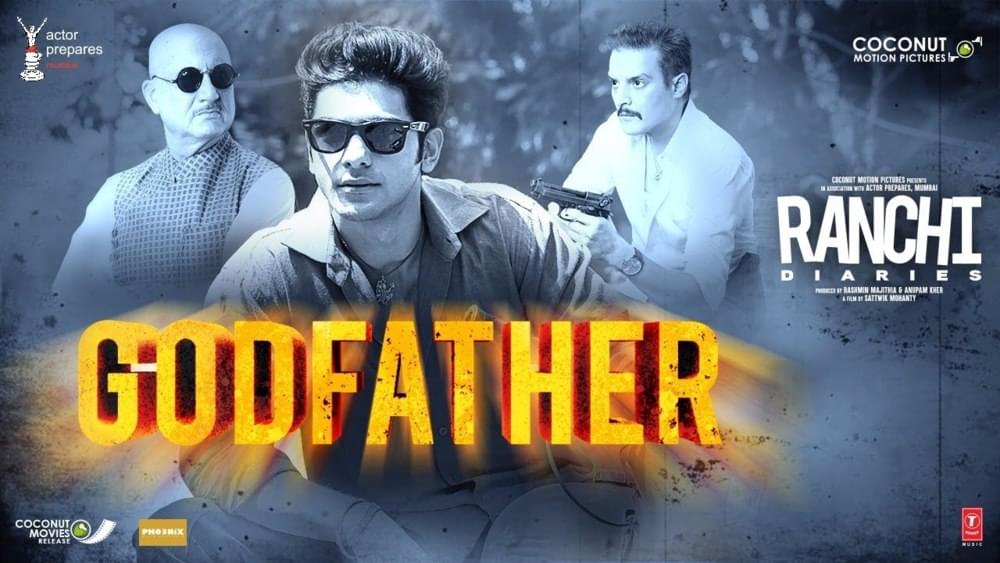
This track opens with a swaggering declaration: the narrator is a 'lafandar,' a rogue, yet they claim the title of 'hero' by snatching victory from the jaws of defeat. The repeated phrase 'Haari hui baaji ko / Kheench laate hai hum' hammers home this image of improbable triumph. It's a boast about turning losing situations into wins, setting a tone of audacious confidence right from the jump.
The core tension here is between the narrator's self-proclaimed 'hero' status and the underlying implication that this heroism is unconventional, perhaps even a bit shady. They transform 'mitti' (dirt) into 'sona' (gold) with a touch, a metaphor for their Midas-like ability to create value or success where others see none. This leads directly to the central claim: they are known as the 'father' of the entire area, culminating in the repeated, powerful assertion, 'Godfather kehlaate hai.'
The most striking element is the contrast between the narrator's perceived power and the fear they inspire. Phrases like 'Fat'ti hai humse sabki' (Everyone is scared of us) and 'jitne bhi tees-mar-kha / Humse wo ghabraate hai' (Even the biggest hotshots are afraid of us) paint a picture of a figure who commands respect through intimidation. The lyrics suggest that this 'godfather' status isn't earned through benevolent leadership but through a reputation for making opponents 'muh ki khaate hai' (bite the dust) if they cross the narrator, even by accident.
What makes these lyrics resonate is the raw, unapologetic portrayal of power. The narrator isn't seeking validation through conventional means; they define their own success and demand recognition. The repetition of 'Godfather kehlaate hai' isn't just a refrain; it's an assertion of identity, a declaration that their unique brand of success and influence makes them the undisputed head of their domain, whether through skill, luck, or sheer force of will.
 View Artist