Song Meaning
The narrator paints a picture of profound isolation, driven by an all-consuming love or obsession. They describe a world-spanning quest undertaken for another, a journey so arduous that basic sustenance failed to satisfy. This intense personal suffering is directly addressed to someone who remains oblivious: "No sabes como sufrí" – you don't know how I suffered.
The core tension lies in this unacknowledged pain. The narrator’s world has become so warped by this experience that even fundamental elements like water and bread lose their meaning. This suggests a spiritual or emotional starvation that transcends physical need, highlighting the depth of their internal turmoil. The repeated plea emphasizes the chasm between the narrator's internal reality and the other person's perception.
A striking shift occurs when the narrator declares, "Ya no llora el mundo." The world, once a stage for their suffering, now seems incapable of empathy or understanding. This detachment is mirrored in the narrator’s self-description as a "vagabundo" (wanderer). Yet, from this state of alienation, a new form of expression emerges: "Solo puedo cantar" (I can only sing). It’s as if the inability to communicate through conventional means or be understood by others forces a singular, albeit solitary, artistic outlet.
This transformation from suffering to singing, despite the lingering isolation, is what makes the lyrics resonate. The raw depiction of unshared pain, coupled with the defiant emergence of song from a place of profound disconnect, creates a powerful emotional arc. The contrast between the world's indifference and the narrator's singular voice underscores the personal, almost defiant, nature of their art born from deep personal experience.
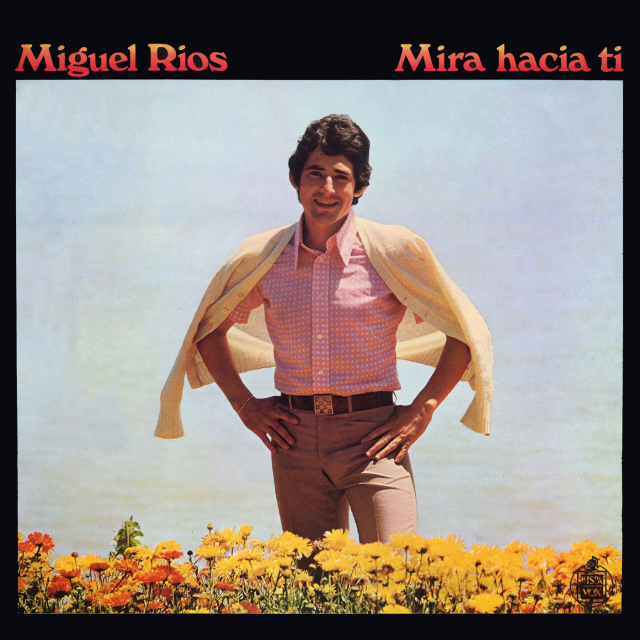
 View Artist