Song Meaning
This lullaby immediately sets a scene of tender care, drawing a parallel between a sleeping "rosa de los rosales" and a child. The lyrics gently usher a "mi niño" toward rest, emphasizing that "ya es tarde." It's a simple, direct call to sleep, imbued with a soft, natural rhythm.
Beneath this surface calm, a deeper emotional tension emerges from the blend of the sacred and the humble. The child is described as "niño divino," watched over by an angel who cradles them like a mother. Yet, this divine protection coexists with a stark reality: the child "no tiene cuna." This contrast highlights both the child's inherent preciousness and their vulnerable circumstances.
The craft here lies in how these contrasting images are woven together. The angelic and maternal imagery elevates the child to a near-mythic status, while the detail that the father is a "carpintero" grounds the narrative in a tangible, working-class reality. This father's promise to "le hará una" — to build a crib — offers a quiet, powerful moment of paternal love and hope, suggesting future provision despite present lack. The repetition of "Dormío se quea" acts as a hypnotic, reassuring chant.
Ultimately, these lyrics are effective because they tap into universal feelings of parental devotion and protective instinct. The gentle, repetitive cadence is inherently soothing, while the subtle interplay between divine guardianship and human care creates a deeply moving portrait. It's a lullaby that doesn't just put a child to sleep; it wraps them in a blanket of profound, hopeful love, making the listener feel the weight of that quiet, powerful affection.
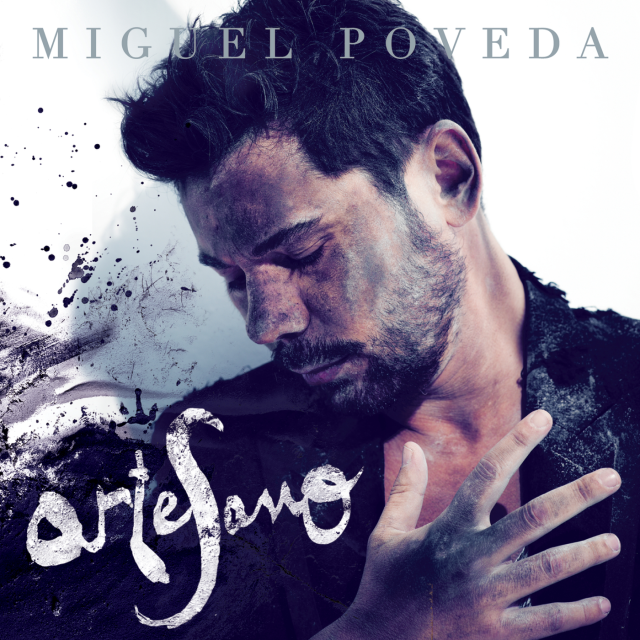
 View Artist