Song Meaning
The lyrics open with a direct, vulnerable invitation: "Si alguna vez me necesitas / Aquí estaré." It's a raw plea from a speaker still deeply affected by a past connection. The emotional core is immediate: enduring love mixed with profound, sleepless longing.
The central tension here is the speaker's persistent devotion clashing with the harsh reality of absence. Time itself becomes an antagonist, with "Las horas y los minutos / Se suman en el tiempo," stretching out endlessly in their separation. This isn't just passive waiting; it's an active accumulation of pain.
The most striking element is the personification of solitude. The speaker laments, "La soledad me ha maltratado / Sin piedad," portraying it as a cruel, relentless entity. Even more poignant is the twist: solitude "no me abandona, siempre está / Para recordarme tu persona," making the very absence a constant, painful echo of the beloved.
This lyrical effectiveness stems from its unflinching honesty about love's aftermath. The speaker's bewilderment—"sin saber que el amor / Fuese tan cruel"—resonates deeply, capturing the shock of heartbreak. The repeated "Ay, desde que no te veo" functions as a mournful, almost primal sigh, cementing the profound, ongoing impact of this separation on every facet of their existence.
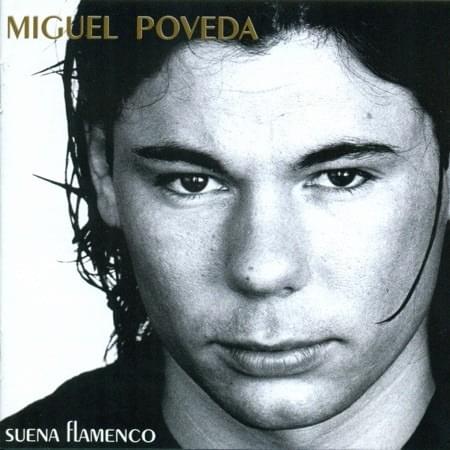
 View Artist