Song Meaning
These lyrics open with a poignant image of someone "navegando por los treinta" – navigating their thirties – feeling a deep absence of desired love. The initial tone is one of profound sadness and a quiet desperation, hinting at a life on the brink of giving up hope. But then, a sudden, miraculous shift occurs "en el último minuto," transforming everything.
The early verses paint a vivid picture of this internal struggle. The narrator describes a "rosa sin tallo se quemaba" between their lips, suggesting a withered beauty or a burning, unfulfilled potential. This despair is compounded by the paradoxical longing for the "cárcel de unos brazos," a desire for the security of an embrace even if it means confinement, only to awaken with an "alma sin voz hecha pedazos," a shattered soul unable to express its pain.
The craft truly shines in the dramatic contrast that follows. The narrator was "a punto de vestir de un negro luto" – on the verge of mourning – when the new person arrived. This moment instantly converts the "otoño sin rosa de mi espera" into a "florida primavera," a powerful seasonal metaphor for renewal and vibrant life. The repetition of "En el último minuto" amplifies the sense of a near-miss, making the arrival feel even more fated and impactful.
Ultimately, the lyrics are effective because they capture the exhilarating relief of finding connection just when all hope seemed lost. The repeated phrase, "se unió tu boca con la mía," grounds this abstract joy in a tangible, intimate act, emphasizing the profound, life-altering power of a simple kiss. The transformation from "negro luto" to "rosa" and from "pena" to "alegría" underscores a deep, heartfelt gratitude for this eleventh-hour salvation.
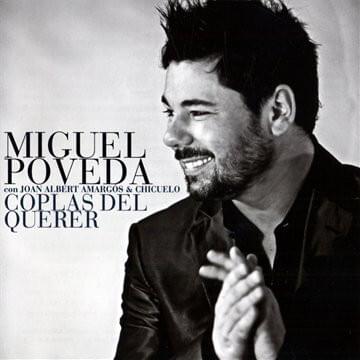
 View Artist