Song Meaning
These lines open with a stark declaration of independence. The speaker directly addresses someone named Rosa, explaining why they didn't "take" her. It's a clear, almost stubborn assertion of personal will, immediately setting a defiant tone.
The core tension here lies in the speaker's firm rejection. The repeated phrase "Fue porque no me dio la gana" — roughly, "It was because I didn't feel like it" — underscores a powerful sense of agency. This isn't about inability or external circumstance; it's a deliberate, internal choice to turn away from whatever "Rosa" represented.
What's particularly striking is the clever wordplay around "Rosa." While the speaker rejects a specific "Rosa" ("Rosa si no te cogí"), they then describe finding comfort by sleeping "Al pie de un rosal dormí" — at the foot of a rose bush. This isn't a lonely retreat; instead, they claim "rosa tuve por cama," transforming nature itself into a luxurious, self-made sanctuary with a jasmine for a headboard. It's a poetic pivot from rejecting a person to embracing the natural world.
These lyrics resonate because they paint a vivid picture of chosen solitude and self-reliance. The speaker isn't just saying no; they're actively constructing an alternative reality that feels more authentic and peaceful. By turning away from a potential connection, they find a different kind of solace, suggesting that true comfort can often be found in simple, natural independence rather than external relationships.
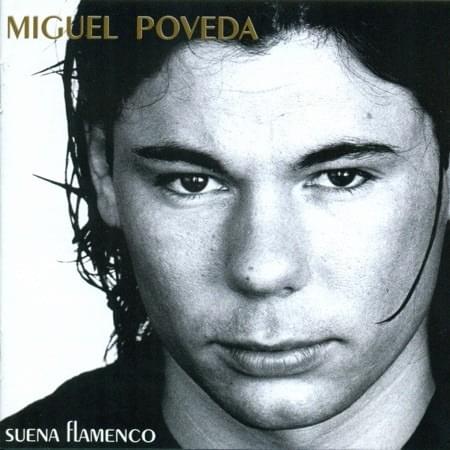
 View Artist