Song Meaning
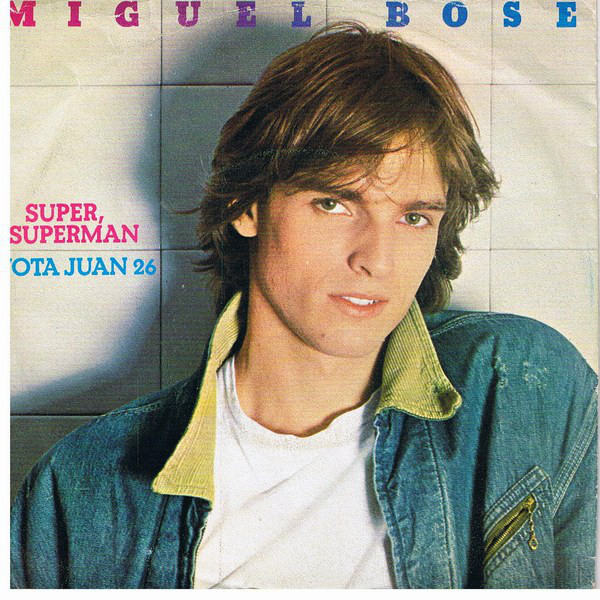
{"song_id": 15767771, "meaning": "Miguel Bosé's \"Vota Juan 26\" operates as a hyper-stylized, almost satirical, campaign jingle. The lyrics paint an absurdly perfect image of the candidate, Juan 26, listing off idealized qualities like health, athleticism (down to the specific height of \"uno ochenta y seis\"), intelligence, and fidelity. This relentless emphasis on perfection borders on the comical, suggesting a critique of the unrealistic standards often projected onto political figures. The repetition of \"Vota Juan 26!\" underscores the almost hypnotic nature of political advertising, designed to drill a message into the listener's mind. The call to \"jóvenes al poder!\" (youth to power!) hints at a desire for change, but the overwhelmingly simplistic and enthusiastic delivery raises questions about the depth of the proposed solutions. Is Bosé genuinely advocating for this candidate, or is he highlighting the superficiality of political campaigns that rely on image rather than substance?
The song's meaning, therefore, rests in its ambiguity. The lyrics offer no concrete policy positions or insights into Juan 26's actual platform. Instead, they focus solely on projecting an aura of desirability and trustworthiness. The listener is urged to \"apóyale\" and \"entrégale\" their force, with the promise of recovering their rights, yet the basis for this trust is never explicitly stated. The claim that he's \"fuerte y tierno es en el amor, un campeón!\" further satirizes the tendency to reduce political figures to simplistic, marketable personas.
Ultimately, \"Vota Juan 26\" functions as a mirror reflecting the often-shallow nature of political discourse. By presenting an exaggeratedly perfect candidate with no discernible substance, Miguel Bosé encourages listeners to question the criteria they use to evaluate their leaders. The song doesn't necessarily condemn the idea of youth in power, but it subtly mocks the way that message is often packaged and sold to the public. The relentless repetition of the candidate's name, combined with the hollow praise, transforms the song into a potent commentary on the power of propaganda and the dangers of blindly following charismatic figures."}
 View Artist