Song Meaning
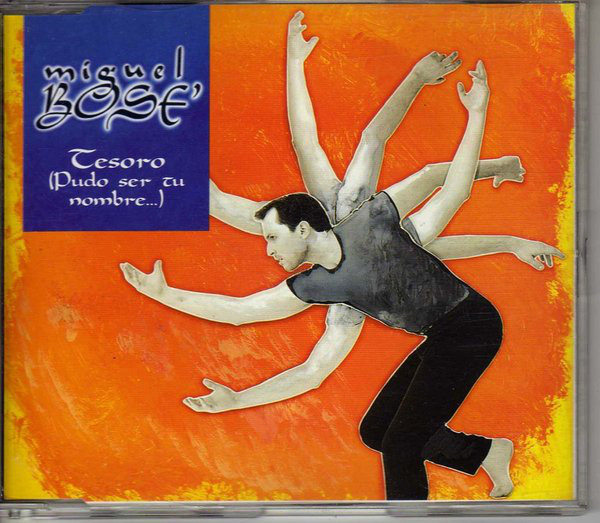
Miguel Bosé's "Tesoro (Pudo ser tu nombre...)" is a haunting exploration of longing, regret, and the lingering pain of a love that never fully materialized. The title itself, "Tesoro" (Treasure), hints at the immense value placed on this elusive figure, yet the parenthetical "Pudo ser tu nombre..." (Could have been your name...) immediately introduces a profound sense of what might have been. Bosé masterfully crafts a narrative of unfulfilled potential, where the mere sound of the name associated with this 'treasure' triggers both comforting memories and agonizing despair. The phrase 'Esa herida que no quiso curar' (That wound that didn't want to heal) suggests a deliberate choice to hold onto the pain, perhaps as a way of keeping the memory of the relationship alive. This kind of melancholic attachment speaks to a deeper psychological tendency to romanticize the past, even when it's demonstrably damaging.
The lyrics delve into the speaker's internal struggle with acceptance and the futile hope for reconciliation. Bosé sings of returning to 'la orilla del paso que no quisimos dar' (the shore of the step we didn't want to take), indicating a pivotal moment where the relationship faltered. The repetition of 'Aunque' (Even if) followed by a series of conditional clauses ('Aunque cambie de matiz,' 'Aunque aguante un tanto más') underscores the speaker's willingness to endure hardship and make sacrifices, yet this is met with the frustrating realization that 'No quieres entender/Que me hace daño esperar' (You don't want to understand/That waiting hurts me). This dynamic highlights a painful imbalance in the relationship, where one person is desperately clinging to hope while the other remains detached or unwilling to reciprocate.
The song's emotional climax arrives with the declaration 'Amaré solo y en tu nombre/Todo aquello que se dejó de amar' (I will love alone and in your name/Everything that was left unloved). This isn't merely about romantic love; it's a broader statement about channeling the pain of unrequited affection into a renewed appreciation for life and the world around him. Even the line 'Tatuaré, me tatuaré tu nombre/En memoria de...' (I will tattoo, I will tattoo your name/In memory of...) reveals a complex mixture of enduring love and a need for closure. The tattoo becomes a permanent reminder of both the joy and the sorrow, a testament to a love that, while incomplete, profoundly shaped the speaker's identity.
 View Artist