Song Meaning
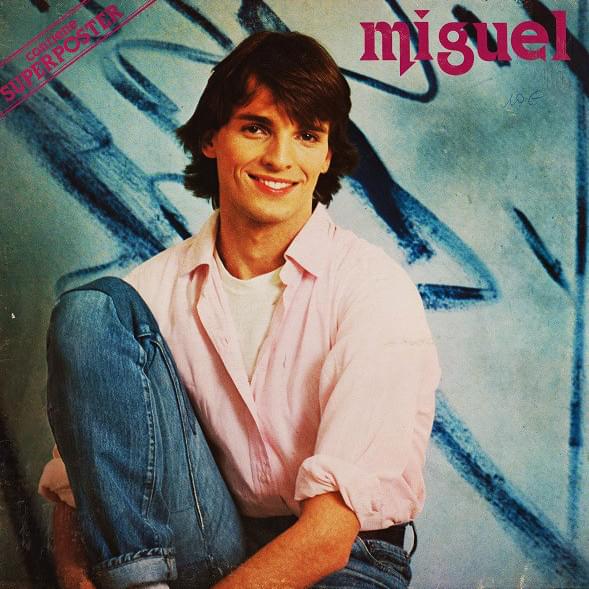
{"song_id": 15769793, "meaning": "Miguel Bosé's \"Signor padre\" is a poignant exploration of a fractured father-son relationship, sung with a yearning that cuts deep. The song, delivered in Italian, transcends language barriers, tapping into universal themes of longing, reconciliation, and the complex legacy of paternal influence. The lyrics paint a picture of a father figure who was once a guiding light (\"unico maestro\") but whose absence created a void, forcing the son to navigate life's challenges independently. The repeated invocation of \"Signor padre\" isn't just a title; it's a plea, a recognition of the fundamental role a father plays, even when that role is unfulfilled. The undercurrent of regret is palpable, not just for the lost time but also for the emotional distance that has grown between them. The lines \"Troppe mura fra noi, troppe le distanze\" are particularly evocative, highlighting the barriers built by circumstance and perhaps unspoken resentments. This isn't a bitter condemnation, however; it's a mature acknowledgment of a complicated bond.
What elevates \"Signor padre\" beyond a simple lament is the inherent hope for repair. Despite the acknowledgement that \"Io so poco perché ti conosco appena,\" there's a desire to bridge the gap. The lyrics suggest that with effort (\"Se ci mettiamo un po' di volontà\"), a genuine connection can still be forged. This isn't a naive fantasy of instant reconciliation, but a grounded aspiration to build a friendship on the foundation of their shared blood. The sentiment, \"Diventeremo amici noi, vedrai, più in là,\" carries a quiet optimism, acknowledging that healing takes time and willingness from both sides. The song delicately balances the pain of absence with the potential for future closeness, suggesting that even deeply damaged relationships can find a path toward understanding and acceptance.
Ultimately, \"Signor padre\" lands as a call for connection, a plea to break down the walls of estrangement. The repeated invitation, \"Allora, vieni qui, Abbracciami,\" is raw and vulnerable. The son yearns not just for physical affection but for the emotional validation that only a father can provide. The desire to share his life, to unburden himself of unspoken words (\"Sapessi quante cose ho da dire a te\"), underscores the profound need for paternal acknowledgment. The final lines, \"Benvenuto tu sia, padre, In casa mia,\" are a symbolic gesture of welcome, an opening of both his home and his heart. Miguel Bosé doesn't offer a fairytale ending, but rather a realistic portrayal of the arduous yet potentially rewarding journey toward reconciliation, making \"Signor padre\" a deeply resonant and emotionally intelligent piece of songwriting."}
 View Artist