Song Meaning
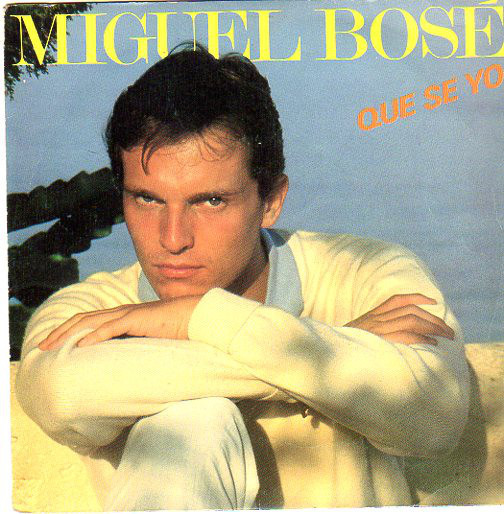
Miguel Bosé's "Que sé yo" pulsates with the anxious energy of a man caught in a manipulative dance. The literal translation, "I don't know," becomes a mantra of frustrated uncertainty. Bosé isn't singing about cluelessness, but rather the agonizing awareness of being toyed with, his vulnerability laid bare by the push-and-pull dynamic he describes. The repetition of "Que sé yo, lo que tu me das" isn't an admission of ignorance, but a lament—a desperate plea to understand the elusive power this "pequeñita" (little one) holds over him. He acknowledges his confusion, admitting he's "perdido" (lost) and "un poco confundido" (a little confused), stopping short of calling himself a fool, yet fully aware of the exploitation at play ("Tu te estas aprovechando" - you are taking advantage).
The repeated reassurance, "Y aquí estoy y siempre voy a estar" (And here I am and I will always be) hints at a codependent attachment. He's trapped, perhaps by his own desire or naiveté, in a cycle he simultaneously recognizes and seems powerless to break. The "Hey! Pequeñita, basta ya de jugar" (Hey! Little one, enough playing around) refrain carries a growing edge of exasperation. It's not a playful scolding, but a warning. The undercurrent of the song meaning is about the weariness that sets in when one realizes love, or what passes for it, is actually a carefully orchestrated game.
As the song progresses, the weariness intensifies. The line "Solo se, que empiezo a estar harto" (I only know that I'm starting to get fed up) marks a turning point. The initial bewilderment gives way to resentment. "Que sé yo" transforms from a helpless question into a defiant statement. The final repetition of "Hey! Pequeñita, esto puede acabar" (Hey! Little one, this can end) suggests a brewing rebellion. The song's genius lies in its portrayal of this internal conflict: the struggle to reconcile lingering affection with the burgeoning self-respect that demands an end to the emotional manipulation. It's a portrait of a man on the verge, ready to reclaim his agency from a situation where he has felt used for too long.
 View Artist