Song Meaning
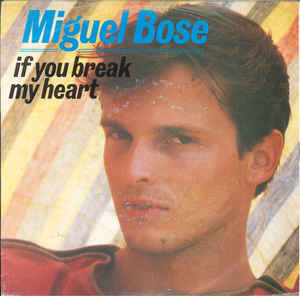
Miguel Bosé's "If You Break My Heart" isn't just a plea for careful handling of fragile emotions; it's a raw exposure of the vulnerability that accompanies transformative love. The lyrics lay bare the intoxicating and terrifying gamble of opening oneself completely to another person. The initial stanzas paint a picture of total surrender: a willingness to be led, a profound emotional awakening so intense that even tears, previously guarded, now flow freely. This isn't just about romance; it's about the potential for a complete reshaping of one's inner landscape. Bosé captures that precarious moment before the fall, the dizzying height from which a broken heart would be most devastating.
The central question—"If you break my heart, do I forgive you?"—becomes the song's haunting core. It acknowledges the inherent risk in love, the possibility of betrayal or simply the inevitable pain of human connection. It also suggests a preemptive struggle with forgiveness, a grappling with the potential for future hurt even as the present moment feels transcendent. This isn't blind optimism; it's a clear-eyed assessment of the stakes involved. The repeated line, "And if we're worlds apart, how can we ever be together again?", introduces a spatial dimension to the emotional distance, hinting at the irreparable rifts that can occur when trust is shattered.
The latter verses, with their imagery of a "new day's dawning" and a felt "spirit move," reinforce the quasi-religious fervor of this newfound love. The repetition of "Love me tender, I'll surrender" acts as both an offering and a desperate prayer. Miguel Bosé masterfully communicates the double-edged sword of profound connection: the unparalleled joy of shared experience intertwined with the ever-present threat of irreversible heartbreak. The song's enduring power lies in its unflinching honesty about the emotional tightrope we all walk when we choose to love deeply.
 View Artist