Song Meaning
Miguel Bosé's "Decir Adiós" isn't just a farewell; it's a visceral autopsy of absence. The track's melancholic core dissects the multifaceted nature of goodbye, revealing it not as a singular event, but a drawn-out process of disintegration. Bosé masterfully conveys how saying goodbye forces a reckoning with the past, a painful turn of the head to find only emptiness where a significant other once stood. This backward glance isn't nostalgic; it's a stark confrontation with the void left behind. The seemingly simple lyrics belie a profound exploration of loss.
Bosé uses potent imagery to depict the aftermath of separation. "Decir adiós" is portrayed as an act of destruction— "es quemar esas cartas viejas" (burning old letters)—a symbolic purging of shared history. This isn't a clean break; it's a desperate attempt to cauterize the wound. The lyrics emphasize the disorientation and loneliness that follow, depicting a solitary figure wandering aimlessly ("andar sín rumbo por las calles") and resorting to desperate conversations with inanimate objects ("hablar con las paredes, con el aíre"), highlighting the isolating nature of heartbreak. The repetition of the refrain underscores the cyclical nature of grief, a constant return to the pain of absence.
The song's emotional weight derives from its unflinching portrayal of vulnerability. Bosé doesn't shy away from depicting the raw, unglamorous aspects of heartbreak: the private tears ("llorar en un rincón a oscuras"), the loss of routine ("perder esas pequeñas manías"), and the overwhelming sense of solitude. "Decir adiós" exposes the deep-seated anxieties that surface when a relationship ends, revealing how intertwined our identities become with those we love. The song's power lies in its relatable depiction of love's aftermath, reminding us that saying goodbye is rarely a clean slate, but rather a messy, painful unraveling of shared lives.
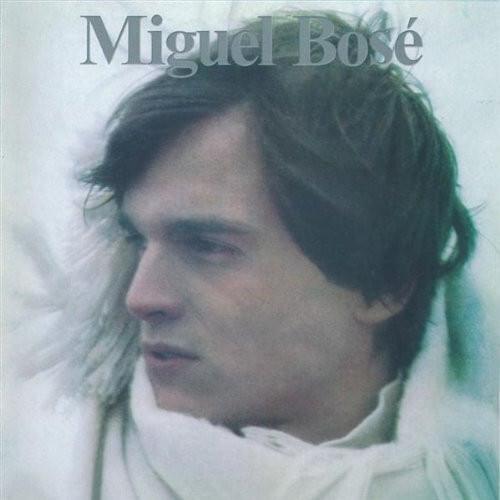
 View Artist