Song Meaning
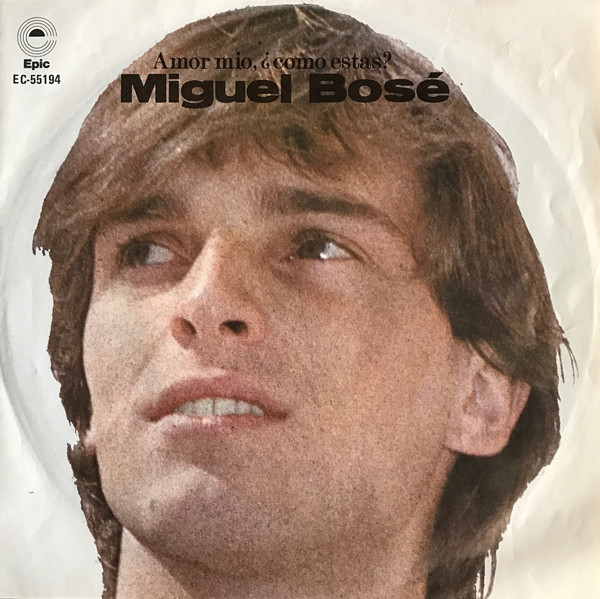
Miguel Bosé’s "Amor mío, ¿cómo estás?" isn't just a love song; it’s a whispered inquiry into the enduring nature of connection. The opening lines, juxtaposing a lover's gaze with the singer's silence upon a shared pillow, immediately establish a space of intimate vulnerability. It's a space where a 'game' begins, not of frivolous play, but of desire meeting apprehension. The recurring declaration, 'Contigo en el amor, me muero…' (With you in love, I die…), isn't literal death, but the small ego deaths required in true intimacy – the surrendering of self to the shared experience. This track is about the bittersweet ache of loving someone so deeply that it necessitates a constant negotiation of boundaries and fears.
The lyrics navigate the complexities of long-term love. The phrase 'Dormido en la edad' (Asleep in age) suggests a relationship that has settled, perhaps become complacent, only to be reawakened 'a fuerza de amar' (by the force of loving). The central question, 'Amor mío, ¿cómo estás?' (My love, how are you?), isn't a simple greeting. It’s a probing, a reaching out across the distance that time and familiarity can create. It acknowledges that love isn't a static state but a continuous process of checking in, of ensuring mutual well-being, not just physical but emotional and spiritual.
The metaphor of 'Tu mar y mi mar' (Your sea and my sea) hints at individual emotional depths merging, yet remaining distinct. It recognizes that each partner brings their own history, their own vulnerabilities, to the relationship. The question '¿Quién de los dos la primera vez tembló más?' (Who of us trembled more the first time?) adds a layer of nostalgia, a gentle reminder of the raw, uncertain beginnings of their bond. In essence, the song meaning of "Amor mío, ¿cómo estás?" lies in its quiet exploration of love's persistent questions and the ongoing effort required to sustain its flame through the passage of time.
 View Artist