Song Meaning
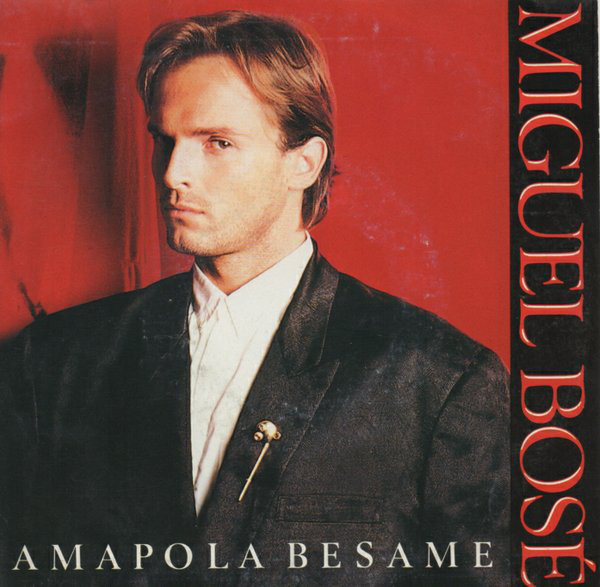
Miguel Bosé's "Amapola Bésame" isn't just a song; it's a meticulously constructed fever dream of obsession, surrender, and the bittersweet sting of love's most intoxicating poisons. The title itself, a command to 'Kiss me, poppy, kiss me,' immediately establishes the central metaphor: the poppy as a symbol of oblivion, desire, and a dangerous allure. The lyrics then delve into a heady mix of self-destruction and ecstatic submission. The narrator pleads to be consumed by opium and jealousy ('Opio y celo acábame'), to be enslaved and robbed of free will, reveling in a loss of control that borders on masochistic. This isn't a plea for gentle affection; it's a yearning for a love that obliterates the self. The repeated lines about 'dulce veneno' (sweet poison) only reinforce this intoxicating, potentially fatal dynamic. The song meaning hinges on this push and pull between pleasure and pain. The 'amapola' is not just a flower, but a gateway to a state of euphoric oblivion.
Bosé strategically deploys a multilingual chorus ('Mon souvenir... te olvidaré,' 'Mein lieber schatz, quiero sentir,' 'Avec plaisir, rien ne va plus, Les jeux son faits...') to heighten the sense of disorientation and fatalistic acceptance. This linguistic hodgepodge suggests a mind fractured by passion, grappling with memories and desires in a chaotic, almost theatrical manner. The phrases themselves—'my memory... I will forget you,' 'my dear treasure, I want to feel,' 'with pleasure, nothing goes, the games are made'—underscore the themes of fleeting pleasure, impending loss, and the gamble inherent in surrendering to intense emotion. They serve as internal monologues, whispers of resignation and reckless abandon within the narrator's psyche. The gambling metaphor, 'Les jeux son faits' (the game is set, or no more bets), suggests that the speaker is all-in on this destructive love, resigned to whatever outcome awaits.
The imagery throughout "Amapola Bésame" is sharp and visceral. The desire to be pierced by a 'little thorn' ('Espinita clávate') speaks to a craving for the pain that accompanies intense pleasure. The glimpse of 'fear and anxiety' in the beloved's eyes hints at the destructive potential of this obsessive dynamic, as well as a co-dependent, intertwined fate. The final verse circles back to the initial plea, emphasizing the cyclical nature of addiction and the narrator's inability to escape the intoxicating pull of the 'amapola.' The song isn't simply about love; it's an exploration of love's dark underbelly, where desire and destruction become indistinguishable. It is a raw, unflinching portrait of a soul consumed by passion, willing to sacrifice everything for a fleeting moment of ecstatic oblivion.
 View Artist