Song Meaning
The narrator feels out of place, caught between worlds and circumstances. They describe a sense of displacement, noting they are "from another sort" in a "land of blue sky" and "from the north" in the "country further south." This feeling is amplified by their current environment, where the sky is "ash" and, crucially, "from the Giesta, the sea is not visible." This inability to see the sea becomes a central metaphor for their limited perspective and disconnectedness.
The core tension lies in this perpetual state of being in-between and the resulting lack of connection to something larger or more expansive. The lyrics emphasize a contrast between their origins and their present, between ease and hardship. They were born "in the west" but "to the east," in a "land of water and salt" but on "rough ground." This juxtaposition highlights a fundamental disconnect, a feeling of being fundamentally unsuited to their surroundings, especially when contrasted with a "gentle sailing" existence they don't experience.
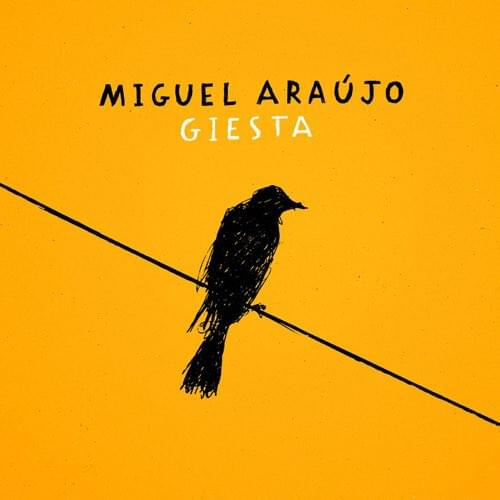
The imagery of the Giesta, a hardy shrub, is striking. It "struggles" by the roadside, "tearing and opening wounds in the ground," yet it "always pierces the asphalt." This tenacious plant, growing in harsh conditions and breaking through barriers, seems to mirror the narrator's own resilience or perhaps their struggle to find a way forward. The repeated refrain, "from the Giesta, the sea is not visible," underscores the persistent limitation, even as the plant itself shows an ability to overcome obstacles.
Ultimately, these lyrics resonate because they capture a profound sense of existential unease and the quiet struggle against unfavorable circumstances. The narrator's inability to see the sea, a symbol of freedom and vastness, while simultaneously observing the world "through a crack," paints a vivid picture of feeling confined and observing life from a distance. The writing effectively uses geographical and natural imagery to articulate an internal state of longing and limitation.
 View Artist