Song Meaning
{"song_id": 12581688, "meaning": "Miguel Araújo's \"Baile dos sem-ninguém\" isn't just a song; it's an invitation to a very specific kind of party. The title itself, translating to \"The Ball of the Nobodies,\" sets the stage for a gathering of the romantically disillusioned, those weary hearts who've given up the search for 'the one.' But it's not a pity party. Instead, Araújo crafts a space for a different kind of connection, one born from shared solitude. The lyrics paint a picture of individuals finding solace not in romantic love, but in the simple act of dancing together, a temporary reprieve from the ache of longing. It’s a subtle, almost subversive take on loneliness, transforming it into a collective experience. We find hints of this sentiment in the lines referencing those who \"flee from love and jealousy,\" seeking refuge in this peculiar ball.
The waltz, a dance traditionally associated with romance, is re-contextualized here as a \"false faith.\" This speaks volumes about the song's central theme: the rejection of conventional romantic narratives. Araújo suggests that the pursuit of a soulmate can be a futile endeavor, a belief system that ultimately leads to disappointment. The 'ball of nobodies' offers an alternative, a space where the pressure to find 'the one' is lifted, and the focus shifts to the present moment. The line, \"whoever dances in the sway of solitude knows that tomorrow is late,\" emphasizes the urgency of embracing the present, of finding joy in the here and now, even if it's just for the duration of a song and a dance.
But there's a bittersweet undercurrent in \"Baile dos sem-ninguém.\" The singer admits to dancing in the hope that someone might like him, suggesting that even in this haven for the unattached, the desire for connection persists. This adds a layer of complexity to the song's meaning. It's not a celebration of complete isolation, but rather an acknowledgment of the human need for companionship, even within a community of those who have, at least temporarily, given up on finding 'the one'. It's a space where vulnerability and shared experience intertwine, blurring the lines between loneliness and belonging. Miguel Araújo's song ultimately offers a nuanced perspective on love, loss, and the search for connection in a world often defined by romantic ideals."}
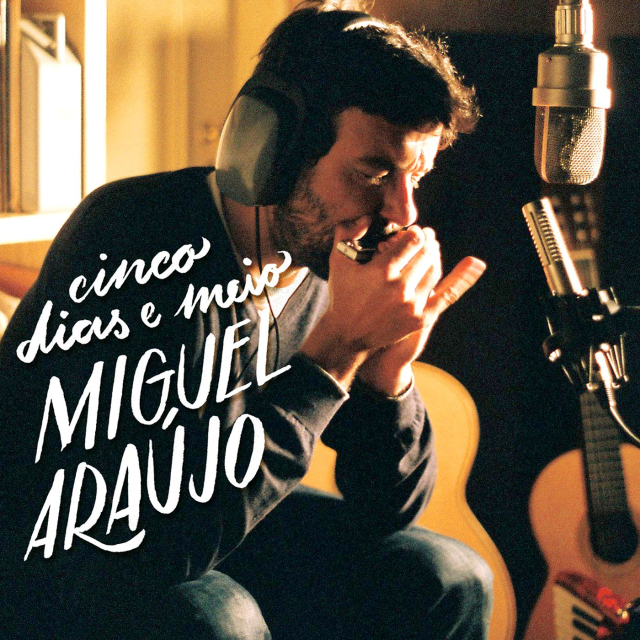
 View Artist