Song Meaning
This track paints a picture of a desperate plea for a former lover to maintain a specific narrative after their breakup. The speaker insists the ex-partner should shoulder all the blame, even fabricating reasons for their separation. It's a raw, almost masochistic request, driven by a lingering, unrequited affection. The core tension lies in the speaker's desire for the ex to move on, yet simultaneously demanding they carry the weight of the past, specifically the speaker's continued love.
The lyrics reveal a profound internal conflict. The speaker acknowledges the ex was wronged ("you were wrong to tear my world in two"), yet paradoxically asks them to perpetuate a falsehood. This suggests a complex emotional state where self-punishment and a twisted form of protection intertwine. The speaker seems to want the ex to be free and unburdened by guilt, even if it means constructing an elaborate lie where the speaker is the sole villain.
The most striking aspect is the repeated, almost incantatory phrase, "Blame it on me." This isn't just a simple request; it's a demand that becomes the central organizing principle of the ex-partner's post-breakup story. The speaker is essentially scripting the ex's future emotional landscape, ensuring that any lingering questions about the relationship's demise are directed solely at the speaker. The contrast between the ex's supposed freedom and the speaker's self-imposed burden is stark.
Ultimately, the effectiveness of these lyrics stems from their unflinching portrayal of a love that refuses to let go, even at the cost of its own dignity. The speaker's willingness to be the designated scapegoat, to become the villain in their ex's story, is both heartbreaking and intensely human. It’s a powerful, albeit painful, expression of devotion that prioritizes the other person's peace over truth or self-preservation.
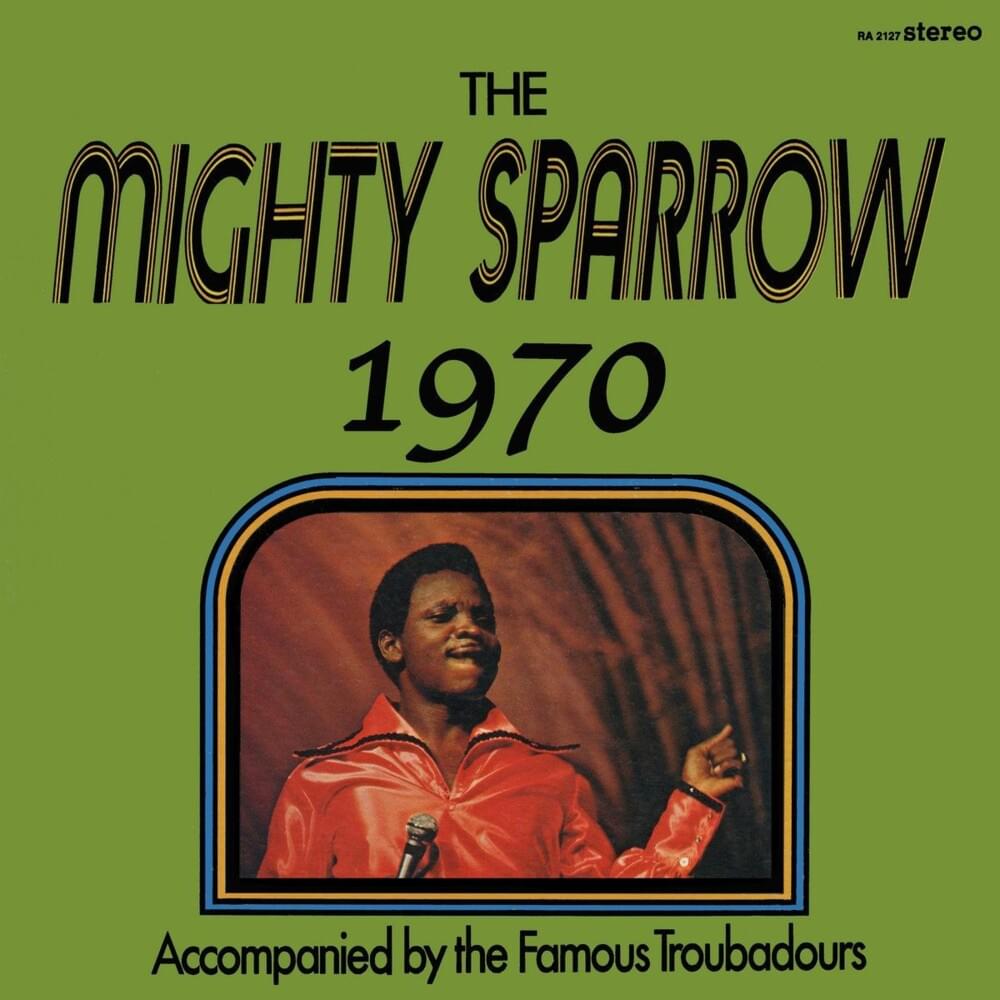
 View Artist