Song Meaning
The narrator opens with a stark contrast between personal offering and shared vulnerability. They possess only themselves to give, yet the stakes are immense – "everything to lose." This sets up a desperate desire to find purpose, a "use" for their willingness to sacrifice everything, even if it means arduous, unpleasant labor under harsh conditions, symbolized by sweating and picking up "broken bones across the great divide."
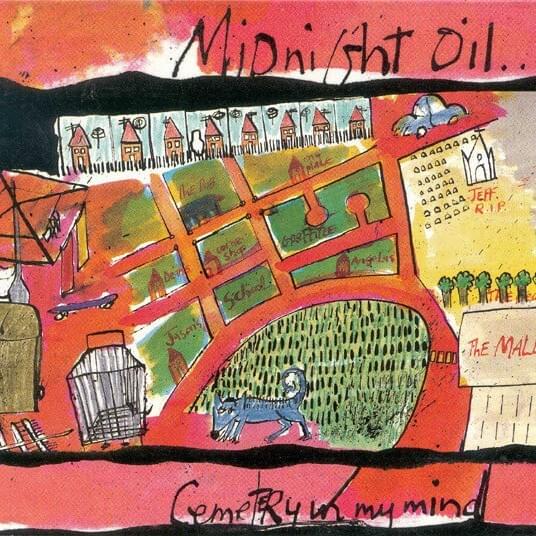
The central tension revolves around a pervasive sense of internal desolation, a "cemetery in my mind," which the narrator declares is their current moment, "my time." This internal landscape is bleak and inescapable, amplified by external imagery of harsh winds and a feeling of being adrift. The lines "Like a barge without a river" and "in a room without a door" powerfully convey a sense of purposelessness and entrapment, emphasizing the futility of their situation despite the repeated assertion that "this must be my time."
The most striking aspect of the craft is the persistent, almost mantra-like repetition of "Cemetery in my mind." This refrain acts as an anchor to the narrator's internal state, a constant reminder of the desolation they inhabit. The juxtaposition of this bleakness with the hopeful, albeit desperate, declaration "This must be my time" creates a profound sense of irony and internal conflict, suggesting a struggle to find meaning within profound despair.
This lyrical construction is effective because it grounds abstract feelings of hopelessness in concrete, albeit metaphorical, imagery. The listener is made to feel the weight of the narrator's internal "cemetery" and the frustrating paradox of feeling trapped yet believing it's their moment for something significant. The raw, unadorned language and the insistent refrain create an atmosphere of bleak determination, making the narrator's internal struggle palpable.
 View Artist