Song Meaning
The narrator paints a stark picture of a self-destructive existence, a "path of destruction" leading to an "early grave." This grim trajectory, however, is interrupted by the arrival of someone who offers salvation. Yet, this intervention comes at a deeply inconvenient moment, suggesting a life built on impulse and avoidance is being challenged by a profound connection.
The central tension lies in the narrator's internal conflict: the undeniable pull towards this captivating person versus the disruption they represent to a carefully constructed, albeit ruinous, lifestyle. The chorus hammers this home, questioning the very essence of the person's allure – their "pretty" and "cool" nature – while simultaneously admitting they are "all that I want and the last thing I need." This paradox highlights the fear of commitment and the loss of freedom associated with falling in love.
The lyrics cleverly juxtapose the narrator's past recklessness with the potential for change. Phrases like "planning on a couple more years / Of painting this town" reveal a commitment to a transient, pleasure-seeking life. The arrival of this person is framed not just as an attraction, but as a force capable of "turn[ing] it all around," a prospect the narrator seems resigned to, even welcoming, as they "don't think I'll put up a fight / If you'll just stand in my way."
This song resonates because it captures the universal struggle between embracing a potentially life-altering love and clinging to the familiar comfort of a destructive routine. The raw honesty about being "caught me at a bad time" and the reluctant surrender to a love that "could have picked a better time" makes the narrator's vulnerability palpable and the allure of this transformative connection undeniable.
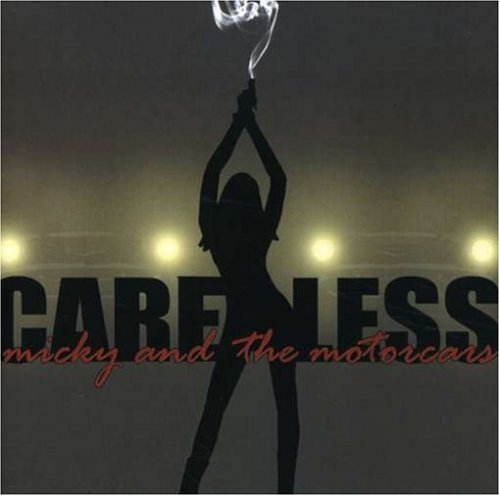
 View Artist