Song Meaning
Mick Ronson's "Platinaa" presents a stark, almost minimalist portrait of urban alienation. Stripped bare of conventional narrative, the song's power resides in its repetitive, almost mantra-like structure. The opening line, "There's pain in the city where I come from," isn't just a statement; it's a primal scream, a recognition of shared suffering. The subsequent lines, a series of "La la la" refrains, initially sound like a whimsical diversion, but their relentless repetition becomes unsettling. Are they a form of escapism, a desperate attempt to mask the underlying pain? Or are they a communal lament, a wordless expression of solidarity in the face of urban decay? It's this ambiguity that elevates the song beyond simple melancholy. The song meaning lies in the tension between the explicit acknowledgment of pain and the almost childlike, detached response.
The genius of "Platinaa" lies in its sonic architecture. The sparseness of the lyrics forces the listener to confront the raw emotional core of the song. The repeated "La la la" sections might also be interpreted as a commentary on the superficiality of modern life, a kind of empty echo chamber where genuine emotions are replaced by meaningless sounds. The juxtaposition of the blunt declaration of pain with these seemingly innocuous vocalizations creates a powerful sense of unease. It's as if Ronson is suggesting that we've become so accustomed to suffering that we can only respond with empty platitudes. The lyrics analysis reveals a deeper exploration of emotional numbness and the struggle to find authentic expression in a world saturated with noise.
The closing instruction, "And end on the... end on the C, now," adds another layer of complexity. It's a stark reminder of the artificiality of the musical construct, breaking the fourth wall and pulling us out of the emotional space the song has created. But it also highlights the power of music to transform pain into something beautiful, even if that beauty is fleeting and fragile. The abrupt ending leaves the listener suspended, contemplating the unresolved tension between pain and expression, between the raw reality of urban life and the artifice of its representation.
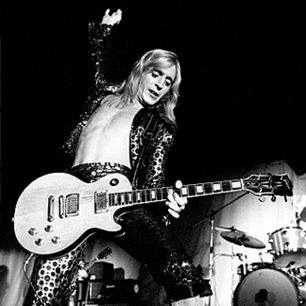
 View Artist