Song Meaning
Mick Ronson's "Hazy Days" isn't just a breakup song; it's a sonic snapshot of the precise moment a relationship fractures under the weight of irreconcilable differences. The opening lines paint a picture of hurried departure, a flight taken not for pleasure, but as a necessary escape. There's a palpable sense of regret mingled with resolve as Ronson sings, "Checked my bags, now I'm up and leaving/ Wonder if you think of me at all." This isn't a clean break; it's a reluctant severing, tinged with the hope (or perhaps the self-deception) that the other party might actually care. This push and pull between wanting to be free and wanting to be wanted is a hallmark of relationships ending, especially when one partner feels stifled. The flight itself becomes a metaphor for emotional distance, for gaining perspective only to find that the memories, the "lovely smiles," still cloud the mind. The refrain of "hazy, crazy" suggests a mind struggling to process the conflicting emotions of love and frustration.
As the song progresses, the lyrics reveal the deeper chasm that separates the two individuals. It's not just a matter of surface-level disagreements; it's a fundamental clash of values. "Your ideals always drive me crazy/ Hazy, crazy, lazy points of view," Ronson laments, indicating a weariness with the other person's perspective. The repeated desire for the other to "come along" while simultaneously acknowledging that he "simply couldn't stay" encapsulates the agonizing paradox of a love that has run its course. He wishes they could be together, but recognizes their incompatibility.
The imagery of flying high and falling fast further emphasizes the precariousness of the situation. The soaring heights represent the initial euphoria of the relationship, while the rapid descent symbolizes its inevitable collapse. The question, "What will you do now when you find I'm in the past?" is not accusatory but rather laced with genuine concern and a touch of melancholy. "Hazy Days" is about the bittersweet realization that sometimes, love isn't enough, and the only option is to leave, even if it means leaving a part of yourself behind. It's a song about the painful but necessary act of self-preservation.
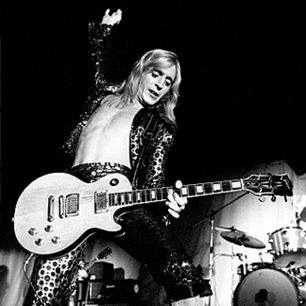
 View Artist