Song Meaning
The lyrics paint a stark picture of a breakup, framed by the cold finality of legal documents. The narrator is left grappling with the aftermath while the other person seems to have moved on with startling speed. The core of the song lies in this jarring contrast: the narrator is still deep in the pain, questioning the other's ability to heal so fast, while their own future feels like an unnavigable void. The repeated questions, "And what will I do with my mornings? And what will I do with my nights?" underscore a profound sense of disorientation and emptiness.
The central tension arises from the narrator's struggle to comprehend the other person's swift transition. They directly ask, "How can you move so quickly?" and "How can you heal so fast?" This isn't just about jealousy; it's a desperate plea for understanding, a need to reconcile the shared past with the divergent present. The narrator also probes the new relationship, wondering "what you see in her / That used to be in me," highlighting a painful self-doubt and a search for reasons that elude them.
The most striking lyrical device is the recurring phrase, "Ask me when I'm through getting over you." This isn't a simple statement of intent but a powerful deflection and a raw admission of current incapacity. It suggests that any attempt to get answers or closure now is premature, as the narrator is still very much in the throes of their grief. The repetition of this line, especially at the song's end, emphasizes that the process of moving on is ongoing and far from complete, leaving the listener with the weight of that unresolved struggle.
Ultimately, the effectiveness of these lyrics stems from their unflinching portrayal of post-breakup paralysis. The narrator isn't offering platitudes or easy answers; they are stuck, their world shrunk to the immediate, overwhelming question of how to simply exist without the other person. The stark imagery of "borrowed pens on dotted lines" grounds the emotional turmoil in a tangible, almost bureaucratic finality, making the narrator's internal chaos all the more poignant.
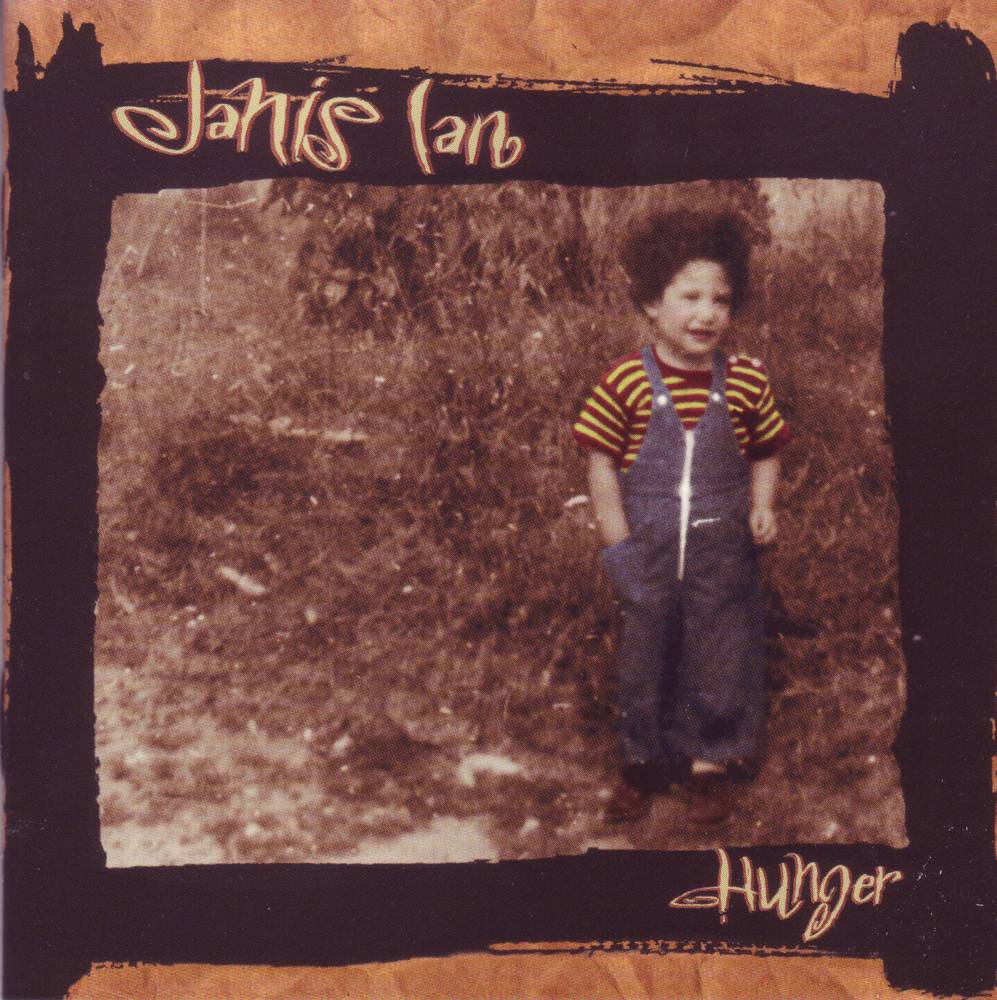
 View Artist