Song Meaning
The lyrics paint a stark picture of a life built on a vow that has become a prison. Initially, Ernest describes meeting a "perfect woman" and building a "perfect life," a seemingly idyllic beginning. However, this foundation shatters, yet the commitment, the vow of marriage, remains the sole focus, suggesting a rigid adherence to a promise even when the reality has crumbled. This sets up a dramatic tension between the ideal and the devastating reality.
The core conflict emerges as the narrator grapples with the consequences of his choices. The "flicker of regret" that grows into a consuming force highlights a deep-seated dissatisfaction. He attempts to numb this pain with alcohol, seeking to "pour yourself a drink until your brain goes blank," a desperate effort to escape the haunting realization that his current existence is "worse than hell." This self-inflicted oblivion underscores the weight of his past decisions.
The craft here hinges on the stark contrast between the initial aspiration and the present despair. The repeated phrase "'Til death" transforms from a romantic promise into a grim sentence, emphasizing the inescapable nature of his predicament. The lyrics suggest that the choices made, even those that seemed to offer freedom, have ultimately led to a profound sense of being trapped, with "only time to kill" until the final release.
What makes these lyrics resonate is the raw depiction of disillusionment and the crushing weight of commitment gone wrong. The narrator’s descent from a "perfect life" to a hellish existence, fueled by regret and a desperate attempt at oblivion, captures a profound sense of personal failure. The stark, unvarnished language leaves the listener with the chilling understanding that some vows, once made, can lead to an eternity of suffering.
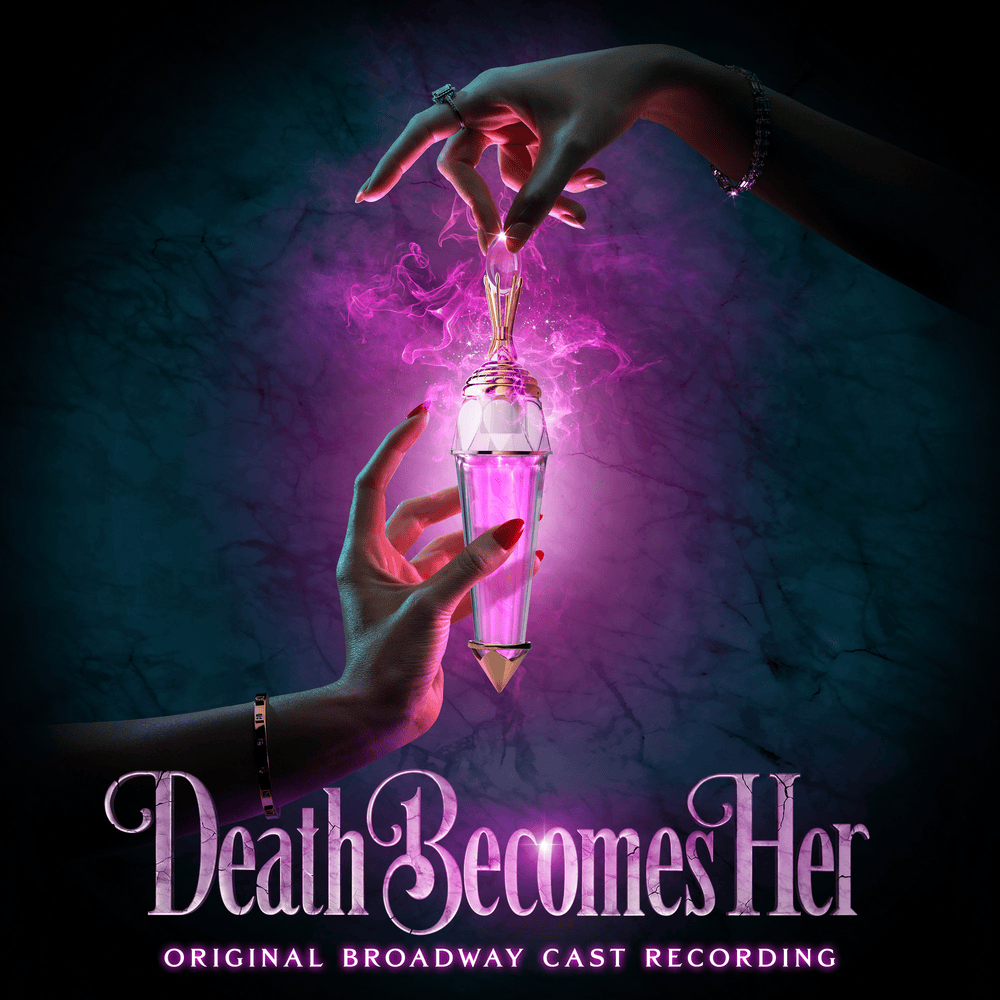
 View Artist