Song Meaning
The lyrics paint a picture of a soul experiencing profound spiritual transcendence, even amidst earthly struggles. The repeated declaration "Immortal, immortal" sets a tone of eternal existence, a state where physical limitations and emotional pain are overcome. The narrator describes a duality of experience: crying yet rejoicing, hungering yet being edified, wounded yet healed. This suggests a perspective shift where worldly suffering is viewed through a lens of divine purpose and eventual peace.
The central tension lies in this paradox of simultaneous suffering and spiritual elevation. The narrator walks, but their soul is flying; they cry, but they are rejoicing. This isn't about denying pain, but about a higher consciousness that reframes it. The phrase "'Til time takes me home" anchors this immortal feeling to a specific, anticipated homecoming, implying a journey toward a divine destination.
The most striking craft element is the consistent juxtaposition of contrasting states. "I hunger, You're edifying" and "I'm wounded, but You are healing" highlight a reliance on an external, divine source for sustenance and restoration. This external force, implied to be God or a higher power, is what allows the narrator to maintain a sense of "immortality" even while experiencing human vulnerability. The imagery of "holy eyes" that "search from above" further solidifies this divine perspective.
Ultimately, these lyrics resonate because they articulate a powerful yearning for spiritual peace and a belief in an afterlife that transcends earthly hardship. The writing effectively conveys a sense of profound hope and unwavering faith, suggesting that true immortality is found not in the absence of struggle, but in the spiritual strength to overcome it and find joy in the journey toward a divine home.
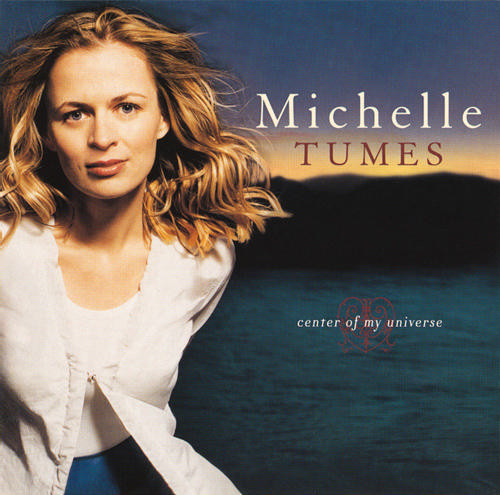
 View Artist