Song Meaning
The lyrics paint a picture of internal wandering, a search for a lost destination. The narrator reflects on wasted days and extinguished passions, realizing too late that time wasn't infinite. This self-imposed hibernation led to a profound sense of regret. The core of the song is this desperate yearning to return to a past relationship, specifically to the 'eyes' where a promise of 'forever' was made. The shame felt about present inaction, how even good intentions fade quickly, underscores the depth of this longing. It's a stark admission of self-sabotage and lost opportunity.
The central tension lies in the contrast between a past filled with shared certainty and a present marked by aimless introspection and regret. The narrator feels like a 'hostage' within their own internal 'journey,' trapped by the consequences of past choices. The desire to return to a time when 'we had nothing to lose' highlights the perceived burden of the present. This yearning is amplified by the recurring phrase 'per tornare a te,' emphasizing the singular focus of their regret and desire.
The most striking aspect is the recurring image of internal travel, 'sto viaggiando dentro me,' which serves as a metaphor for introspection and perhaps avoidance. This internal journey is contrasted with the external goal of returning to 'you.' The lyrics suggest that this inward focus, while perhaps a response to past mistakes, has become its own form of stagnation. The repeated plea, 'Cosa farei, cosa darei per tornare a te,' is a powerful expression of the immense value placed on that lost connection.
Ultimately, the effectiveness of these lyrics stems from their raw honesty about regret and the painful realization of lost time. The narrator's vulnerability in admitting shame and the feeling of being trapped within their own mind makes the desire to return to a specific person and a specific moment incredibly potent. The repeated desire to 'return to you' becomes an anthem for anyone who has grappled with the irreversible nature of past choices and the deep ache for what might have been.
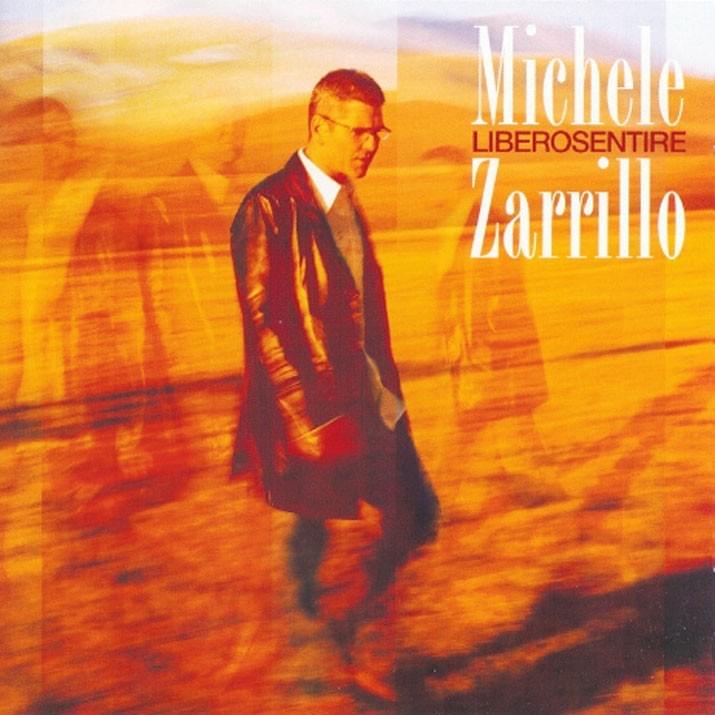
 View Artist