Song Meaning
The lyrics paint a picture of a love that begins with a profound, almost elemental understanding, starting with "words you vainly sought far from here." This initial connection is described with natural imagery, comparing the beloved's intimacy to birds descending to drink, their flight as fleeting and light. The narrator urges a complete immersion in this present moment of love, a surrender to its intensity, stating, "This is the time to live you / To the last part of me." The plea to trust without question, "Don't ask me where or why / You just have to trust me," sets up a central tension.
The core conflict arises from the human tendency to seek fulfillment externally, a mistake the narrator identifies as "the greatest error man can ever believe." This external search is contrasted with the internal richness of the present love, which is presented as a refuge. The lyrics suggest that the world has disappointed the beloved, making the narrator's plea for trust even more urgent: "Because the world has disappointed you too / Now you have to trust me." This creates a dynamic where the narrator offers an antidote to past hurts through present devotion.
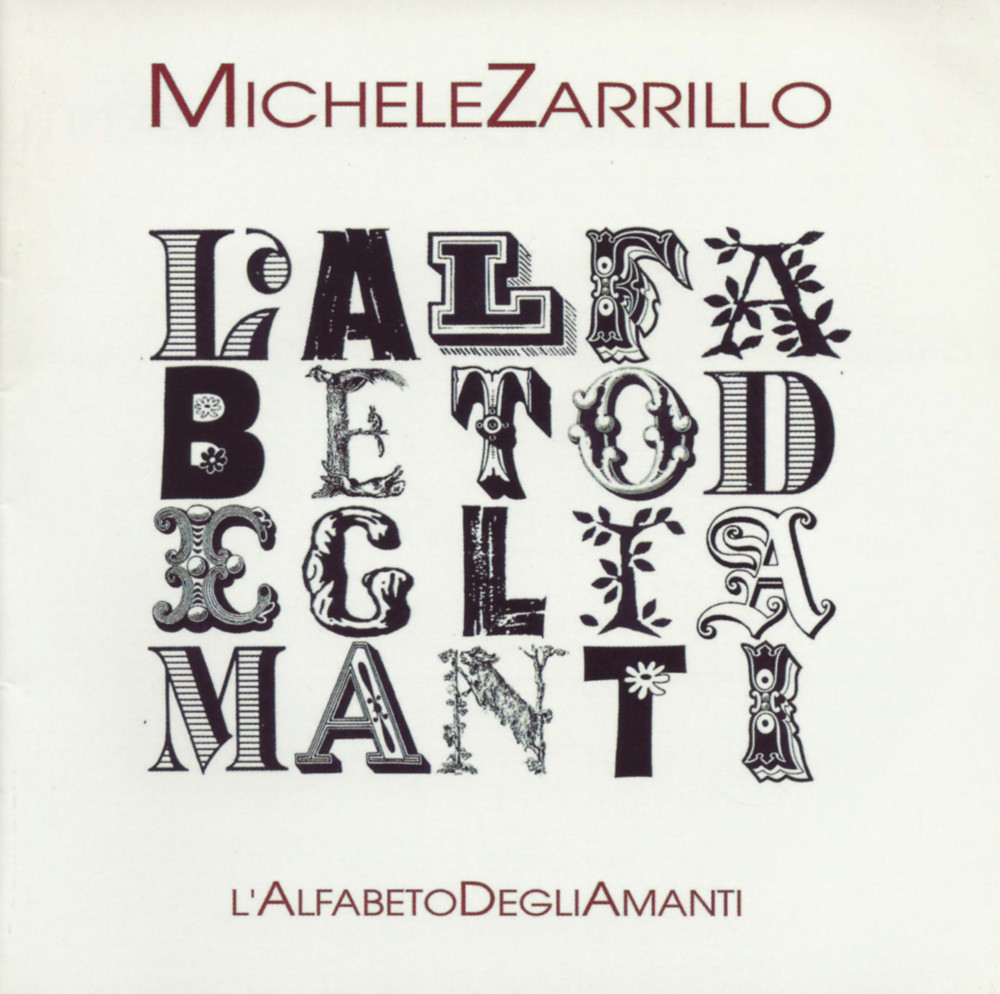
The most striking craft element is the recurring motif of the "alphabet of lovers" and the direct, almost instructional tone. The narrator uses celestial imagery, like "the assembly of stars," to elevate the significance of their shared experience, implying a cosmic endorsement of their bond. Yet, this grandeur is immediately grounded by the repeated, emphatic assertion that true value lies not in distant aspirations but in the immediate, internal connection being offered. The repetition of "This is the time to live you / To the last part of me" hammers home the imperative to embrace the present, fully and without reservation.
What makes these lyrics resonate is the potent blend of grand, almost spiritual pronouncements about love and the intimate, urgent plea for trust. The narrator positions themselves as a guide, offering a profound truth about finding happiness within the relationship, rather than chasing elusive external validation. The power lies in the direct address and the promise of completeness, suggesting that within this love, all that was sought elsewhere can finally be found, fulfilling the initial premise of the lovers' alphabet.
 View Artist