Song Meaning
The plea "Aiutami aiutami" (Help me, help me) immediately sets a tone of desperate need, framing the narrator's existence as one of guilt and longing. The lines "Io sono colpevole per quanto voglio te" (I am guilty for how much I want you) and "Derubami offendimi ma dammi poi / L'inganno di vivere è breve ormai" (Rob me, offend me, but then give me / The illusion of living, it's short now) reveal a complex desire: the narrator is willing to endure pain and deception for even a fleeting sense of life, suggesting a profound emptiness.
The core tension lies in the narrator's perceived inability to exist or find meaning alone, contrasted with the elusive nature of the person they are addressing. "Aiutami aiutami non so chi sei / Ma so riconoscerti dal bene che mi fai" (Help me, help me, I don't know who you are / But I know how to recognize you by the good you do me) highlights this paradox – a deep connection felt through actions, yet the identity remains unknown. This dependence is further emphasized by "Insieme è possibile da soli mai" (Together it's possible, alone never), a stark declaration of co-dependency.
The lyrics employ powerful imagery of a "mare possibile chiaro come noi" (possible sea, clear as us), suggesting a shared, idealized future that is both attainable and reflective of their connection. Yet, this hope is undercut by the narrator's internal struggle, described as a "dolore di dare e non avere mai" (pain of giving and never having). The recurring question, "Perché vuoi convincerti che tu non puoi?" (Why do you want to convince yourself that you can't?), directed at the other person, mirrors the narrator's own perceived limitations and their plea for the other to overcome their own hesitations.
This song resonates because it articulates a raw vulnerability and the desperate human need for connection, even when that connection is fraught with uncertainty and pain. The narrator's willingness to accept suffering for the sake of an "inganno di vivere" (illusion of living) and their insistence that shared existence is the only path forward, "da soli mai" (alone never), powerfully captures a feeling of being lost without another's presence to anchor them. The repeated pleas and the contrast between imagined ideal and lived reality create an emotional landscape of profound longing and dependence.
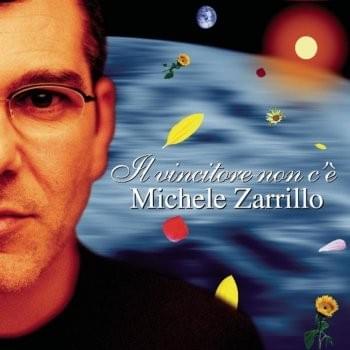
 View Artist