Song Meaning
The lyrics paint a stark picture of internal conflict and a yearning for peace, centered around a recurring, unsettling phrase: "ad un uomo da me." This phrase, repeated like a mantra, seems to represent a profound disconnect, a distance from a desired state of being or a specific person. The narrator grapples with intense negative emotions – pain, hate, madness, and fear – all seemingly directed towards this elusive "man." It’s a raw expression of inner turmoil, where the self feels fractured and at odds with an external or internal antagonist.
The core tension lies in the contrast between a lost, innocent past and a troubled present. The narrator recalls the "scent of a world" chased in childhood that vanished without explanation, a poignant image of lost dreams and unfulfilled potential. This memory fuels a desperate plea for restoration: "May every saint find his man, and a caress disarm the hand that defends itself from you." The desire is for reconciliation, for a softening of defenses against the very person or state that causes such distress, especially given the unsettling revelation that this figure is "so similar to me."
The writing powerfully uses repetition and evocative imagery to convey this deep-seated unease. The repeated plea for things to find their rightful place – "every saint find his man," "every flower find its branch" – underscores a pervasive sense of disorder. The most striking element is the narrator's self-recognition in the source of their pain, the "man" who is "so similar to me." This internal mirroring suggests that the struggle is not just with an external force but with a part of the self, a shadow self that brings fear and prevents peace.
Ultimately, the lyrics resonate because they articulate a universal human experience: the fight for inner harmony against forces that feel both alien and intimately familiar. The plea for a disarming caress and the wish for love not to be in vain speak to a deep-seated hope for connection and resolution, even in the face of profound personal conflict. The final, lingering image of the self being "here, a man away from me" leaves the listener with the weight of this unresolved distance.
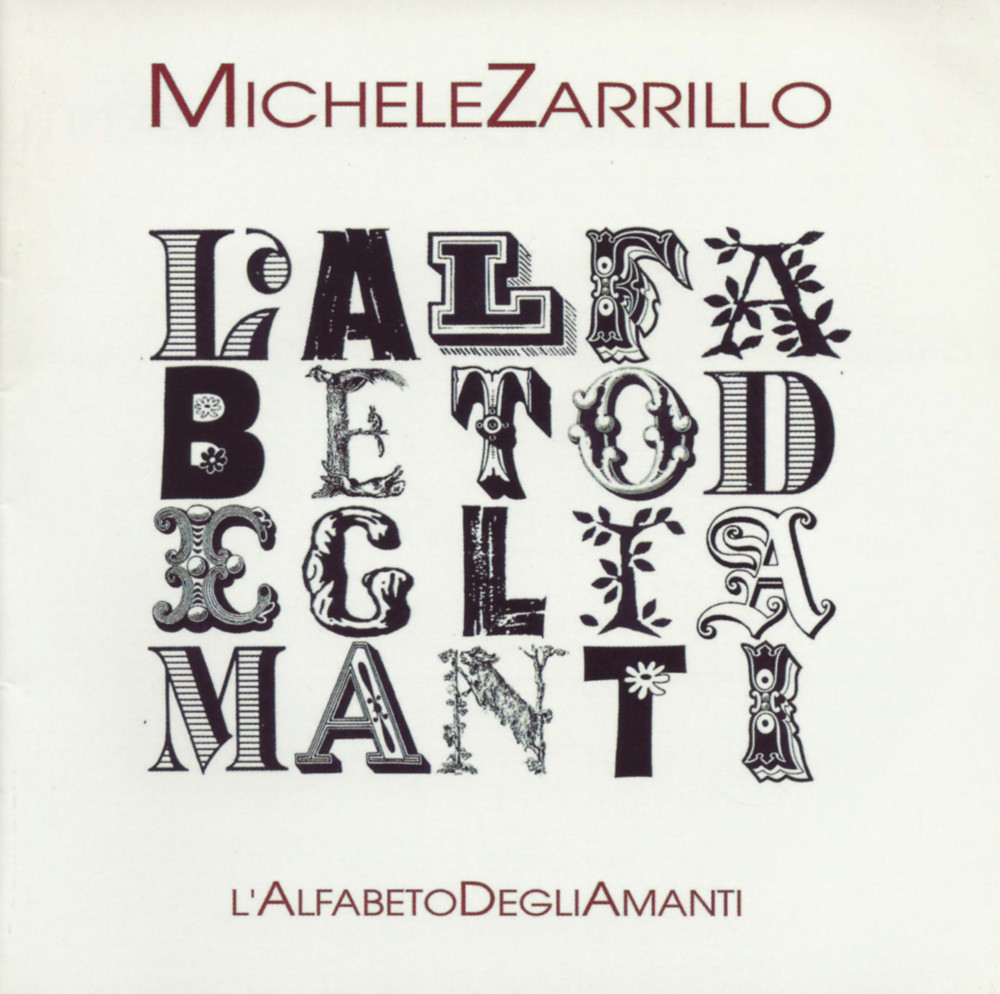
 View Artist