Song Meaning
The lyrics of "Parlons de toi, de moi" immediately plunge into the anxieties of a long-term relationship at a crossroads. The speaker grapples with the common adage that after ten years, a partnership either "Ca casse ou ça tient" (it breaks or it holds). A poignant question, "Où tu vas quand j'éteins," reveals a deep-seated fear of emotional distance despite physical proximity. This opening sets a tone of vulnerable interrogation, seeking an honest assessment of their bond.
The central tension stems from the speaker's profound insecurity and a desperate need for clarity. They ask if they've passed "l'étrange examen" of time, and whether their unity is eroding. The questions become intensely personal, probing for past infidelities or emotional connections outside the relationship. The speaker's self-doubt surfaces in the plea to understand their current role: are they still a lover, or merely "Un témoin silencieux" in their partner's life?
The craft of these lyrics is particularly effective in its use of direct questioning and a gradual shift in perspective. Initially, the speaker seeks answers from their partner, but the third stanza pivots to a more observational, almost resigned tone. It describes the symptoms of a fading connection – "un refus," "un malaise ambigu," and a diminishing "envie de s'aimer." This shift culminates in a fatalistic acceptance: "Quand le désir s'en va, tout s'achève avec lui." The repeated refrain, "Parlons de toi de moi," acts as a desperate, almost futile, call for communication.
Ultimately, these lyrics resonate because they capture the raw vulnerability of confronting a love that might be dying. The speaker's blend of hopeful inquiry, deep-seated fear, and eventual, weary acceptance creates a powerful emotional arc. It's a stark portrayal of the courage it takes to ask uncomfortable questions, even when the answers might confirm one's worst fears about a relationship's end.
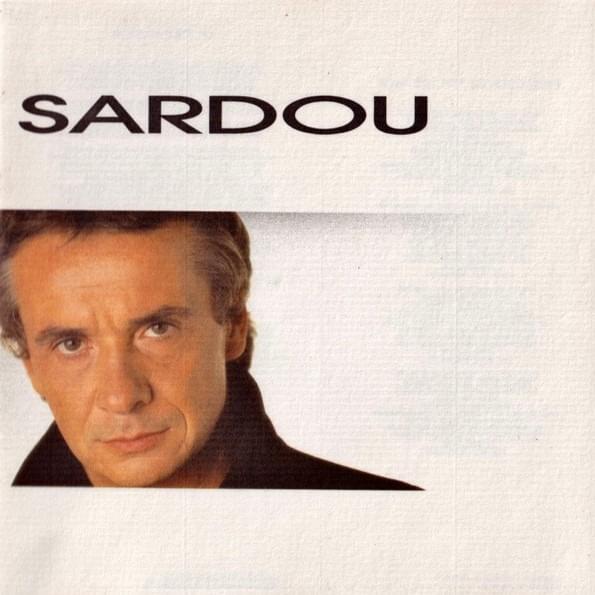
 View Artist