Song Meaning
The lyrics paint a picture of persistent hope directed at someone who has seemingly given up on love and life. The narrator insists that despite current despair, a future moment of renewed affection and passion is inevitable. This isn't a gentle suggestion; it's a firm declaration of faith in the other person's eventual return to feeling. The core tension lies between the subject's present state of apathy – preferring "sleep and oblivion" – and the narrator's unwavering conviction that "you will change your mind."
The central argument hinges on the cyclical nature of emotion and experience, framed by the repeated phrase "Un jour" (One day). This recurring motif acts as a promise, a prophecy of a future awakening. The imagery shifts from the depths of sorrow ("Du fond de ta peine") to a vibrant rebirth ("Comme une renaissance"), suggesting that even the most profound pain can eventually give way to intense desire and a powerful resurgence of feeling. The narrator sees this not just as a possibility, but as a certainty.
The most striking aspect is the narrator's absolute certainty, culminating in the powerful declaration, "I know that there will be us." This isn't tentative; it's a foregone conclusion, delivered even in the face of the other's current resistance. The lyrics suggest that the capacity for love and passion, even a "violence" of emotion, is an intrinsic part of the person, waiting to be reignited. The final "même si" (even if) underscores the narrator's resolve, implying that this belief holds true regardless of the present circumstances or the other person's current feelings.
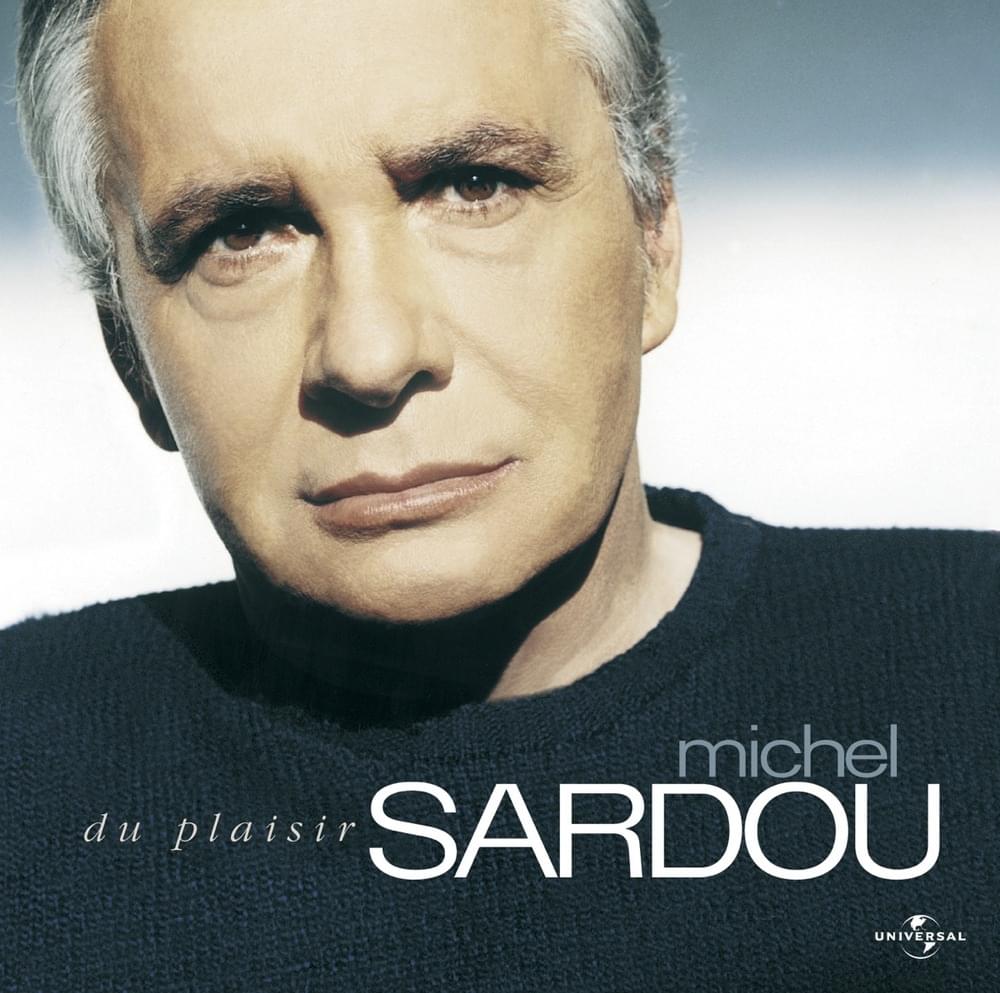
 View Artist