Song Meaning
Fernand, a guiding figure, offers the narrator profound, often melancholic, definitions of "the center of the world." These lessons, recalled from childhood, paint a picture of a place steeped in history and quiet sorrow. A recurring image of an old, gray-walled city with fountains that "sèche un chagrin depuis" anchors this wistful atmosphere.
The lyrics trace a subtle but significant evolution in Fernand's teachings, mirroring the narrator's growth. Initially, "the center of the world" is a "pont démoli" where ancient virgins danced, a vision rooted in distant history and myth. Later, "the center d'amour" becomes a "beau paysage" with "cigales en pierre" telling old tales. Finally, as Fernand speaks "quand il était lui-même," the "center du monde" transforms into the country one loves and, more poignantly, "la première fille" who was kind and then "s'est envolée," revealing a deeply personal, almost painful, understanding of what truly holds significance.
The most striking element is the persistent image of the "vieille ville aux remparts un peu gris" where "chaque fontaine sèche un chagrin depuis." This phrase isn't just a backdrop; it's an emotional refrain. The drying fountains powerfully personify long-held grief, suggesting that sorrow isn't just experienced but absorbed by the very landscape, leaving a permanent mark. This repetition ensures that even as the definitions of "center" shift, the underlying current of enduring melancholy remains constant.
Ultimately, these lyrics resonate by grounding grand concepts like "the center of the world" in specific, often bittersweet, human experiences. They suggest that what we hold central isn't a fixed point, but a collection of memories – some ancient and mythic, others intensely personal and marked by loss. The quiet, almost resigned tone, coupled with the vivid, slightly eerie imagery, creates a poignant reflection on how our past, our loves, and our sorrows shape the very core of our perceived reality.
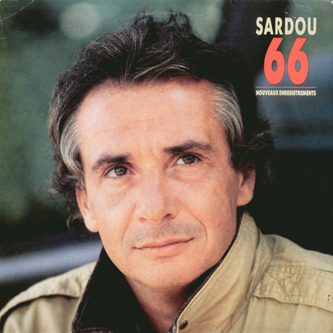
 View Artist