Song Meaning
The lyrics confront death with a striking sense of natural continuity. The immediate assertion, "He died today, no need to worry," sets a tone that’s both detached and philosophical. This isn't about grief, but about a fundamental cycle: "He's like the rain: / He returns to the earth." The death is framed not as an end, but as a transformation, a return to the elements that will nourish future life, like the grain for bread. This perspective immediately reframes mortality as part of an ongoing process, not a final cessation.
The central tension lies in reconciling the finality of an individual's death with the persistence of existence. The narrator insists, "There is no / There is no / End," and later, "Nothing is ever / Nothing is ever / Finished." This cyclical view is powerfully illustrated by the image of "Julius Caesar's rain" being the same as the rain that falls on the narrator tonight. This cosmic connection collapses time and space, suggesting that the same water, the same essence, has always been and will always be, linking a historical figure to a present moment on a "street in Courcelles."
The most compelling craft element is the persistent repetition of "Il n'y a pas de fin" and "Rien n'est jamais fini." This refrain acts as a mantra, reinforcing the core idea of cyclical existence against the stark reality of individual demise. The lyrics also play with the idea of purpose in death: "We always die / For something." Yet, this is immediately undercut by the pragmatic, almost absurd acceptance: "But dying / To die / It's not bad / To tell oneself / That we still have a future." This suggests that even without a grand cause, the simple fact of continuing existence, in some form, offers a form of solace.
Ultimately, these lyrics resonate because they offer a profound, almost stoic comfort in the face of mortality. By likening death to rain returning to the earth, the song transforms a moment of loss into a testament to the enduring, interconnected nature of life. The final lines, "We will see each other again / But when?" leave a lingering question, not of doubt, but of the vast, unknowable timescale of this eternal return, grounding the grand cosmic cycle in a personal, albeit uncertain, reunion.
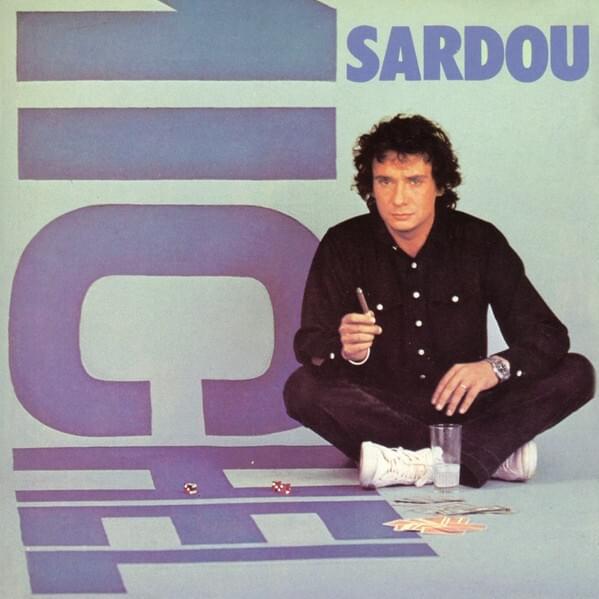
 View Artist