Song Meaning
These lyrics, framed by the recurring phrase "Dans la tradition du folk song melody," tell a dark, cyclical tale. It's a grim fable where sacrifice, betrayal, and injustice unfold under the guise of a familiar narrative. The song paints a picture of power dynamics where the vulnerable are expendable.
The central tension lies in the stark contrast between the fates of the powerful and the powerless. A "soldat de plomb" (lead soldier) dies for the "mère patrie" (motherland), while the "roi maudit" (cursed king) returns "à peine meurtri" (barely hurt). This king then exploits a "bergère" (shepherdess), only for her to become a victim of the queen's swift, poisoned revenge. The narrative consistently highlights how the powerful escape consequences while others suffer.
The repeated framing device, "Dans la tradition du folk song melody," is the most striking craft element, creating a profound sense of irony. It suggests these brutal events are not aberrations but rather an inherent part of a long-standing, accepted narrative. The king's superficial repentance and the queen's forgiveness—justified by her beauty and having "trop aimé" (loved too much)—underscore a cynical view of justice, where status dictates absolution. The language is precise, making the soldier a mere toy and the shepherdess's death chillingly quick, "à peine respirées" (barely having breathed them).
Ultimately, these lyrics are effective because they subvert the comforting expectations of a folk song. They expose a world where the innocent are sacrificed, the powerful are rarely held accountable, and true peace is only found in death for the victims. The final image of the soldier and shepherdess finding "un paradis" while the queen continues her lineage offers a bittersweet, almost mocking resolution to a deeply unjust story.
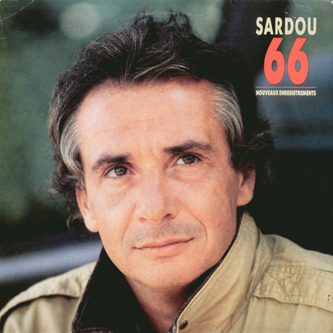
 View Artist