Song Meaning
The lyrics to "Dis, Marie" paint a vivid picture of a speaker consumed by waiting. It's a direct, almost pleading address to Marie, marked by a palpable sense of urgency. The speaker is counting every moment, desperate for a sign. This isn't just impatience; it's an existential plea.
The core tension here is the speaker's profound dependency on Marie, set against the relentless march of time. "Ma vie dépend de la tienne," they declare, framing their very existence around her presence. This isn't a casual affection; it's a declaration that "les années qui viennent Ne seront rien sans toi," suggesting a future devoid of meaning without her. The stakes are incredibly high for the speaker.
The relentless repetition of "Marie" throughout the lyrics acts like a desperate mantra, emphasizing the speaker's singular focus and almost prayer-like yearning. This direct address is coupled with an obsessive tracking of time: "Je compte les instants," "Je vois passer le temps." The mention of "On vient d'avoir vingt ans" grounds this emotional crisis in a specific, youthful milestone, suggesting a pivotal moment where the future feels terrifyingly uncertain.
What makes these lyrics so effective is the raw vulnerability they convey. The speaker's grand declaration of total reliance is starkly contrasted with their simple, almost heartbreaking requests: "Un regard comme avant," "Un seul mot simplement." This juxtaposition highlights a deep desperation, where even the smallest gesture from Marie would bring immense relief, underscoring the profound emotional chasm the speaker feels. The directness of "Car, vois-tu, j'attends" leaves no room for ambiguity, making the listener feel the weight of that waiting.
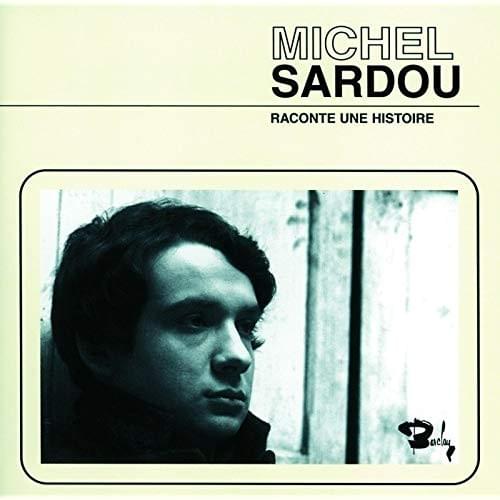
 View Artist