Song Meaning
The lyrics paint a stark picture of a world that feels deaf to its own inhabitants' struggles and emotions. The opening lines immediately establish a sense of isolation, with a plea for a response that goes unanswered. This sets a tone of profound loneliness, where the "ordinary violence" and the "market of indulgence" seem to drown out genuine connection, leaving silence as the dominant force. The narrator questions who can hear the cries and fights amidst this overwhelming quiet.
The central tension arises from the contrast between the world's perceived deafness and the intense emotions and creative output of its people. The comparison to Beethoven, a composer who famously lost his hearing, is striking. It suggests a world that, despite its capacity for great art and profound feeling, is fundamentally unable to perceive or respond to love, instead resorting to "howling its hate." This creates a tragic irony: a world capable of producing "hymns of joy" and "requiems" is simultaneously consumed by a self-serving mentality where "everyone for themselves."
The writing masterfully juxtaposes grand concepts with harsh realities. Phrases like "masterpiece in dust" and "splendor and misery" highlight a world of immense potential marred by decay and conflict. The lyrics weave together opposing forces: "fragile and immense," "pride, powerlessness," "lies and mystery," and "vengeance and anger." This complex layering suggests that the world's deafness isn't just an absence of sound, but a chaotic internal state where understanding is impossible, and "no one understands each other."
Ultimately, the effectiveness of these lyrics lies in their unflinching portrayal of a disconnect between internal experience and external reception. The recurring motif of the "deaf world, like Beethoven" powerfully encapsulates this feeling of unheard cries and unacknowledged pain. The final lines, "And life passes by singing / Harmony, counterpoint / The world is an infinite poem," offer a glimmer of beauty and complexity, but it's a beauty that seems to exist in spite of, rather than because of, the world's capacity for true hearing and empathy.
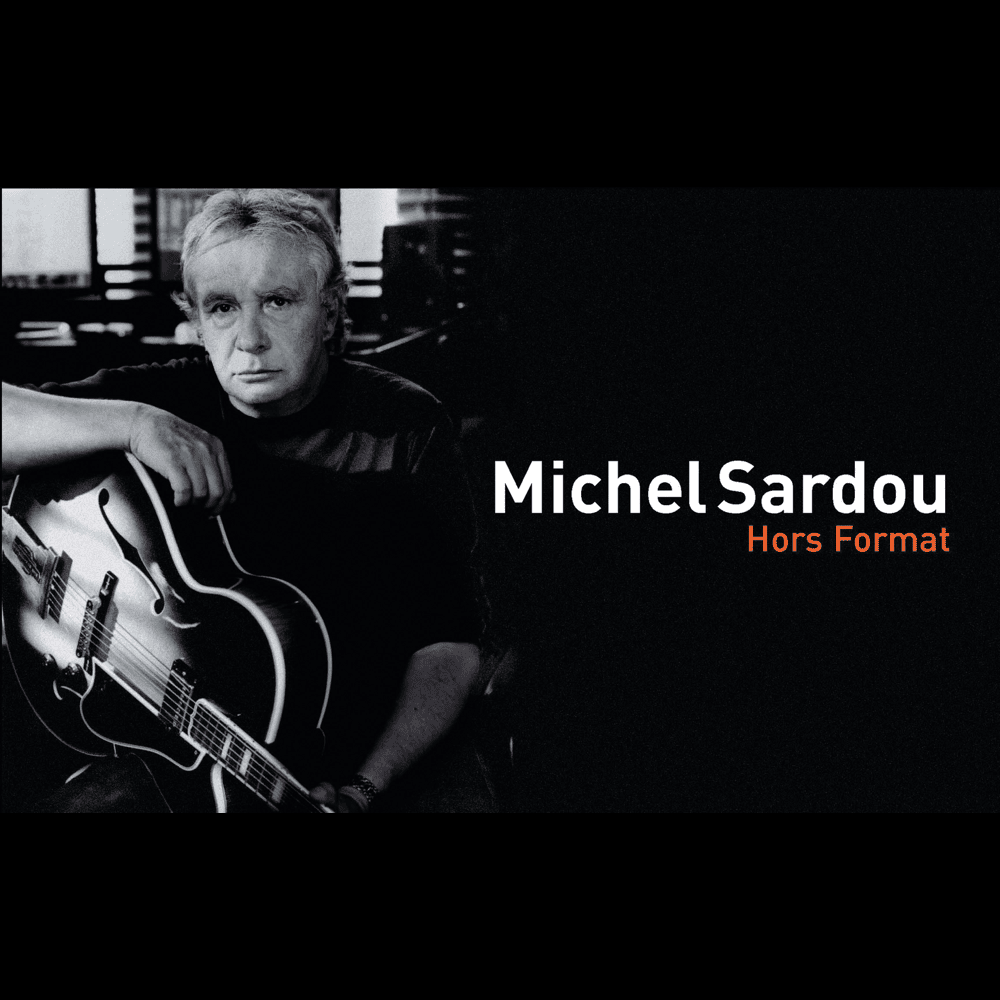
 View Artist