The provided text for "Smoke Gets in Your Eyes" explicitly states "[Instrumental]". This immediately signals a deliberate absence of vocalized words. The focus here shifts entirely to the musical composition itself. It suggests a narrative conveyed purely through sound and arrangement.
Without any lyrical anchors, the emotional weight of the piece rests solely on its sonic landscape. Listeners are invited to project their own feelings and interpretations onto the melody and instrumentation. This creates a deeply personal and subjective experience. The lack of specific words means there's no explicit story to follow.
The most interesting craft element here is the strategic decision to let the music speak for itself. It's a powerful choice that bypasses direct verbal communication. This allows the instrumental arrangement to evoke moods and scenes without the constraints of a literal narrative. The absence of lyrics becomes a canvas, not a void.
These "lyrics" are effective precisely because they aren't lyrics at all. They force a different kind of engagement, one where the listener's imagination fills the space. The piece relies on the universal language of music to convey emotion. It's a testament to the power of instrumental storytelling.
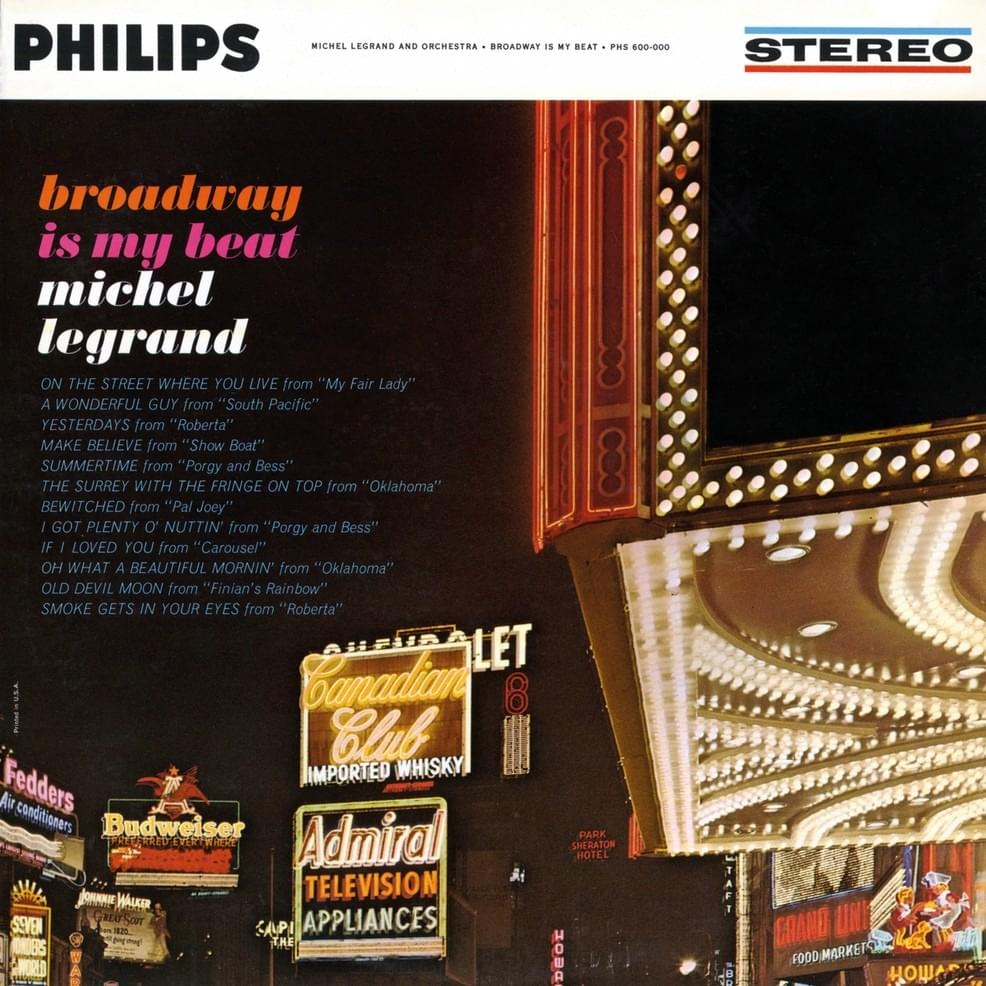
 View Artist