Song Meaning
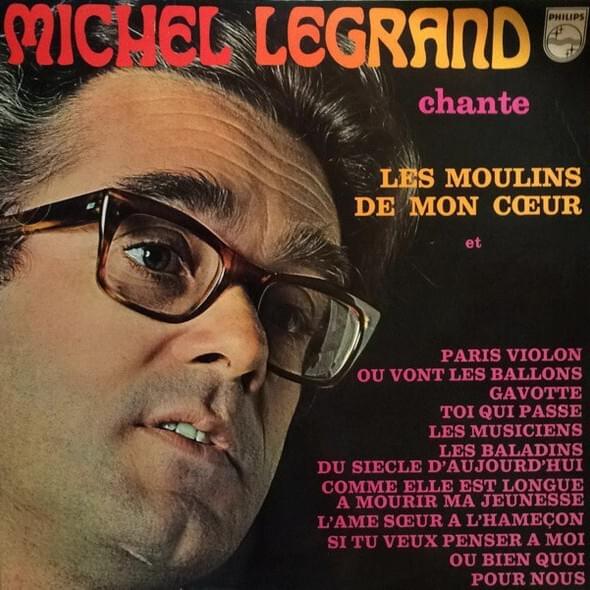
{"song_id": 10538168, "meaning": "Michel Legrand's \"Comme elle est longue à mourir ma jeunesse\" isn't just a song; it's an intimate portrait of aging, a poignant meditation on the slow fade of youth and the struggle to keep its embers glowing. The opening lines immediately establish this central theme, lamenting how long his youth takes to die within his heart. It's not a violent departure, but a protracted, almost reluctant surrender, leaving him with a sense of profound emotion and a feeling of being abandoned by the very vitality that once defined him. Legrand isn't just singing about getting older; he's dissecting the psychological weight of time's passage. The use of the word 'trahie' (betrayed) is interesting; youth has not betrayed him, *he* has not betrayed youth.
The rose imagery is equally compelling. The 'rose de la vie,' once the fairest in the garden of follies, becomes the last, forgotten bloom, heavy with symbolism. This rose isn't just a flower; it represents the passions, the joys, the very essence of a life lived. As it withers, so too do the dreams that once bloomed within him. The autumn metaphor further amplifies this sense of fading, of dreams sinking without anyone to nurture them. There's a deep sense of resignation here, a recognition that some things simply cannot be saved from the inevitable decline.
But the song doesn't end in despair. The final verse offers a glimmer of hope, a resurgence of youthful energy. The blossoming rose of spring, the sudden feeling of a young man's 'corps d'airain' (body of brass), suggests that even in the face of aging, the spirit of youth can be rekindled. It's not a naive denial of mortality, but a powerful affirmation of the enduring human capacity for renewal, a refusal to let the past completely eclipse the present. The song, therefore, becomes a complex, nuanced exploration of aging, acknowledging its sorrows while celebrating the enduring power of the human spirit."}
 View Artist