Song Meaning
The lyrics open by contemplating the nuanced "qualités de silence," comparing them to textures like fabric or wood. This immediately sets a reflective, almost tactile mood, suggesting that absence isn't just empty space but something with its own distinct character. The scene is quiet, introspective, and tinged with a deep, pervasive longing.
Amidst a rainy, deserted street, the narrator observes the rain wetting "ce qui ne pleure pas," a poignant image that hints at unspoken grief. The central emotion of missing someone is made tangible, described as occurring "pas à pas" – a gradual, inescapable feeling that permeates every step. The speaker admits this absence hits harder than expected, especially for someone who claims not to hold onto even the wind, highlighting a surprising vulnerability.
The lyrics then list a series of mundane, everyday actions: taking taxis, turning pages, packing bags, exchanging pleasantries. This juxtaposition of ordinary life against profound internal sorrow is striking. These routine tasks underscore how life continues, yet the absence persists, a constant undercurrent beneath the surface of daily existence.
Ultimately, the lyrics culminate in a powerful realization born from suffering. The narrator learns two things: that "Le pire est au bout de l'absence" (the worst is at the end of absence), and, surprisingly, that they are "plus vivant" than they believed. This suggests a profound, almost paradoxical discovery of one's own vitality and resilience, even as the missing person is felt "Plus que je ne me manque jamais" – more than the narrator ever misses themselves.
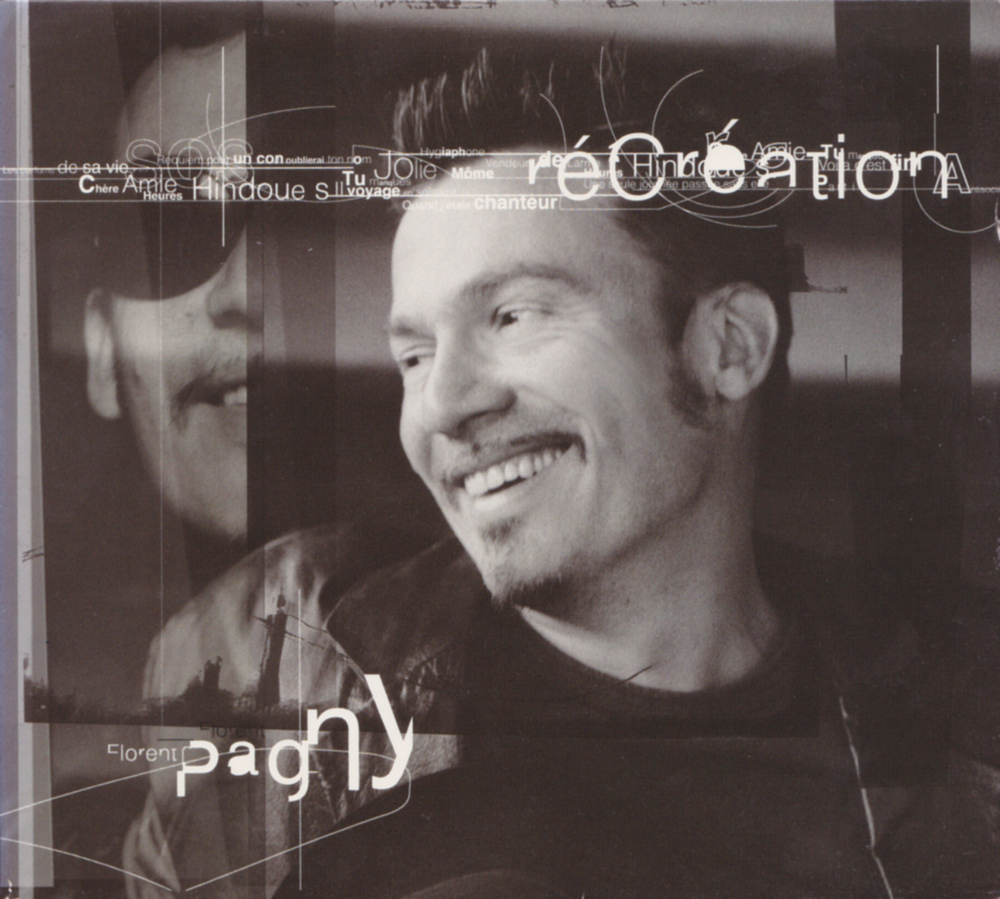
 View Artist